Tokyo has more record shops than any city on earth, and they do not cluster the way vintage clothing does in Koenji or Shimokitazawa — the best ones are scattered across Shibuya, Shinjuku, Harajuku and Ochanomizu, each with a different specialty. These four are the ones worth building a day around, whether you are after new J-pop pressings, secondhand disco 12-inches or American analogue. Addresses and opening hours below are verified for 2026.
Information accurate as of August 2026. Store locations and hours change — confirm before making a special trip. Lighthouse Records moved from Shibuya to Ochanomizu in October 2025, so an older guide will send you to the wrong side of the city.
- 1. Tower Records Shibuya (Tower Vinyl)
- 2. Disk Union Shinjuku
- 3. Big Love Records
- 4. Lighthouse Records
- What to look up before you fly
- How to read a Japanese record shop price tag
- Getting your records home (two rules changed recently)
- Shops that closed or moved — and that guides still list
- Practical notes
- Getting your bearings
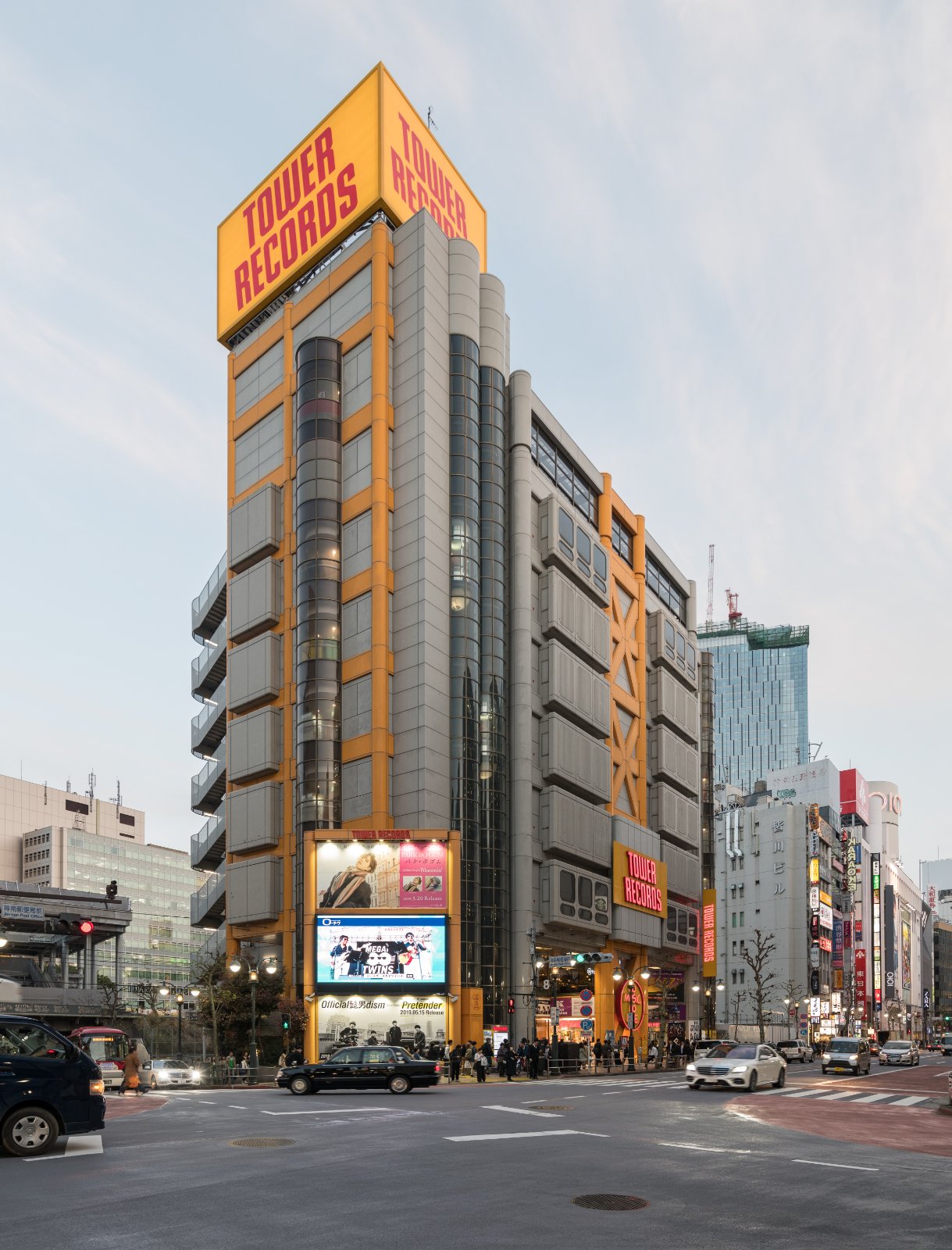
1. Tower Records Shibuya (Tower Vinyl)
Tower Records’ nine-story Shibuya flagship is a Tokyo music landmark in its own right. The 6th floor, branded Tower Vinyl, holds a huge mixed collection of new and used vinyl across genres, reportedly numbering around 100,000 records. It’s the easiest first stop if you want breadth in one building rather than a single specialty. The building came out of a phased renovation on 28 February 2026, and the vinyl floor picked up something no other record shop in Tokyo has: a standing craft-beer bar with a DJ booth, right on 6F, pouring around a dozen mostly Japanese taps while the floor speakers play whatever is on the deck. The building has no fixed weekly closing day, but it does shut occasionally for maintenance — worth a glance at the store page before a special trip. Note that classical vinyl is not on 6F; classical lives on 8F.
1-22-14 Jinnan, Shibuya · about 3 minutes from Shibuya Station (Hachiko exit) · 11:00–22:00 · vinyl is on 6F
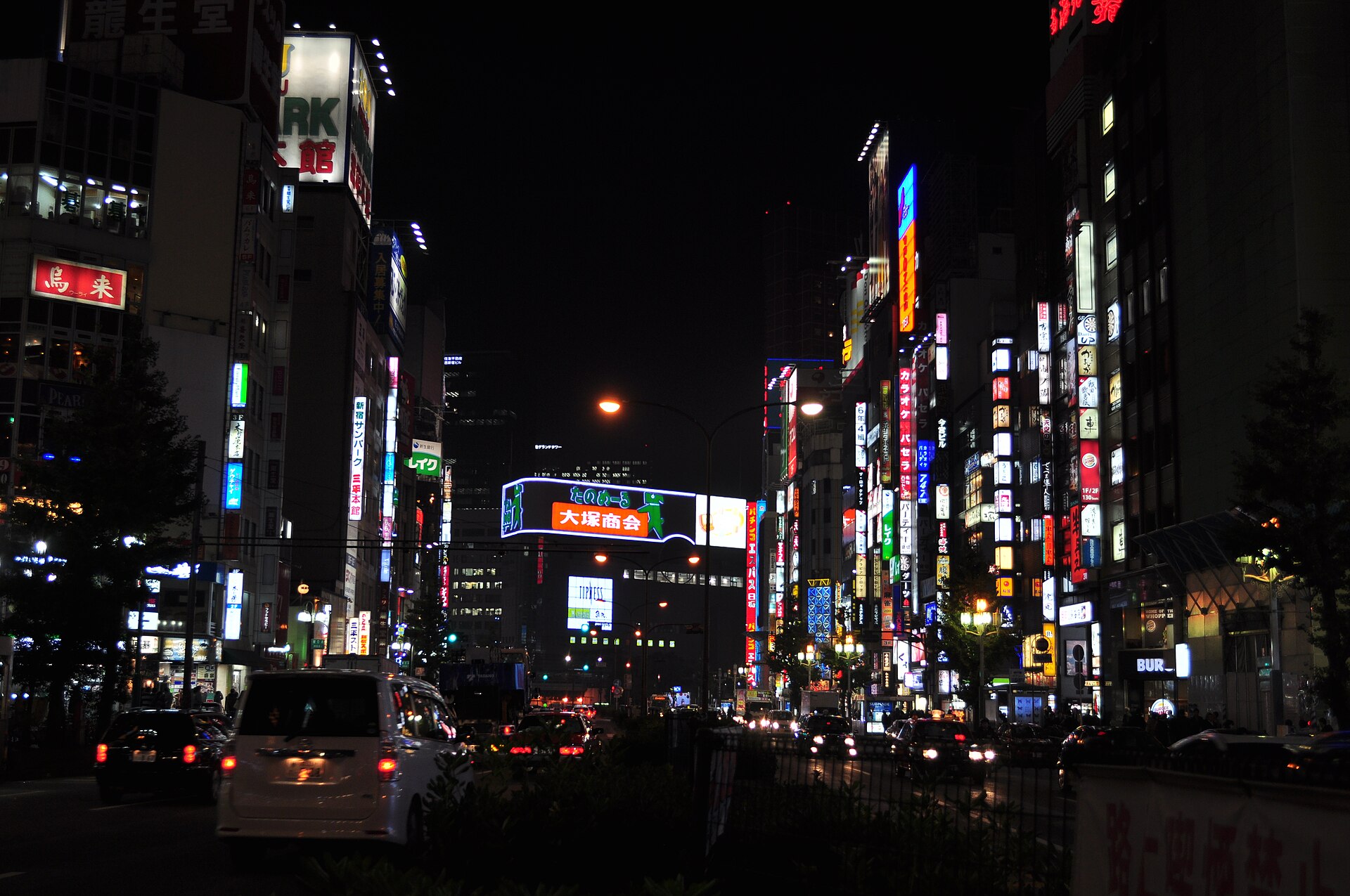
Tower Vinyl is where you find out what a Japanese pressing costs when it is new, and that is a useful baseline to carry into the secondhand shops below. CDJapan lists the current domestic editions with the obi included and ships them abroad, and Buyee bids and buys on Yahoo! Auctions and Mercari on your behalf, which is where the out-of-print ones actually change hands. Two numbers, checked before you fly, and the price tags in this guide stop being guesswork.
2. Disk Union Shinjuku
Disk Union’s Shinjuku complex is actually not one shop but eighteen, spread across four buildings a few minutes apart and the chain reorganised the whole area in June 2023, so most older guides describe a layout that no longer exists. In the main Yamada building (3-31-4) the punk market is on 7F, indie and alternative on 6F, rock CDs on 5F, Latin and Brazilian on 4F, progressive rock on 3F, Shōwa kayō on 2F, anime and game music on 1F, and Heisei J-pop in the basement. The jazz store and the soul and dance store are in a different building at 3-34-1, the used-only centre is at 3-17-5, and heavy metal is at 3-34-12 — budget walking time between them. It is the go-to for serious secondhand digging, with prices that reflect genuine rarity rather than a flat markup. Our Shinjuku record store guide lists all eighteen floor by floor, with the correct opening hours and the shops that have moved.
3-31-4 Shinjuku · a few minutes east of Shinjuku Station · weekdays 12:00–20:00, weekends and holidays 11:00–20:00 · 18 genre-specific shops across 4 buildings
3. Big Love Records
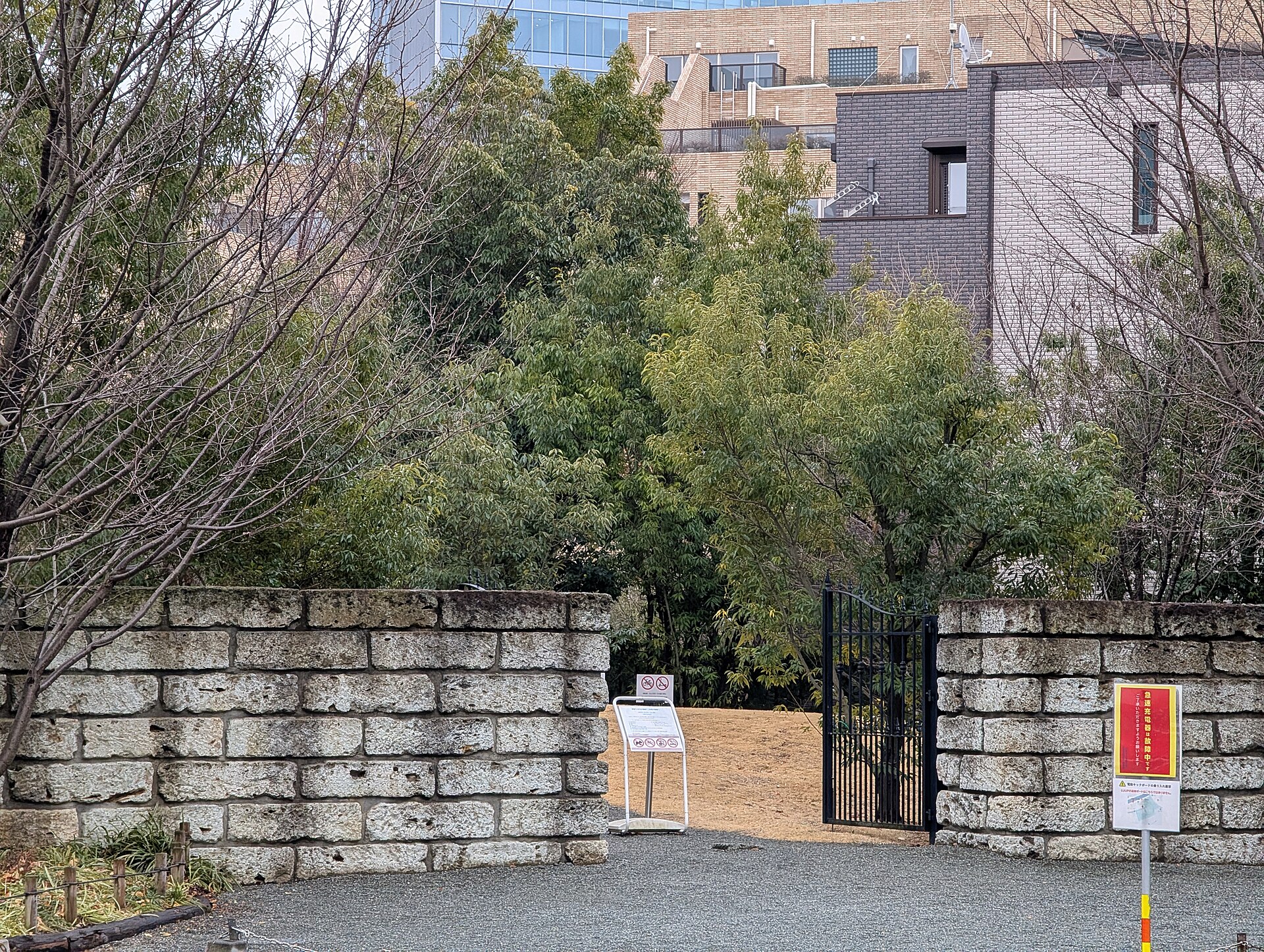
A small import specialist tucked away in Harajuku, open since 2008. Big Love stocks new (not secondhand) vinyl and cassettes from indie bands in the US, UK, and Europe, and generally skips Japanese artists entirely — a useful counterpoint if you want music you can’t easily order from Japan. There’s a small bar inside for a drink while you browse.
3F-A, 2-31-3 Jingumae, Shibuya · close to Meiji-jingumae / Harajuku Station · Tue–Sun 14:00–20:30 · closed Mondays
4. Lighthouse Records
Focused on house, disco, and Balearic sounds, Lighthouse is closely tied to Tokyo’s DJ scene and ships in new stock weekly alongside curated secondhand vinyl. It relocated from Shibuya to Ochanomizu in October 2025, so if you’re working from an older list, update the address before you go.
UZ Bldg. B1F, 3-3-17 Kanda-Surugadai, Chiyoda · 2 minutes from Shin-Ochanomizu Station, about 4 from JR Ochanomizu · 13:00–20:00 · closed Sundays and Mondays
What to look up before you fly
Two hours of homework changes what a digging day is worth. The common disappointment is not a bad shop; it is walking Tokyo all afternoon and never finding the one record you came for. Before you go, check what your wants actually sell for on the Japanese secondhand market: Buyee bids and buys on Yahoo! Auctions and Mercari on your behalf and forwards the parcel abroad, so you see the domestic going rate rather than the export-shop price. For anything still in print, CDJapan stocks new domestic pressings with the obi attached and ships direct. Neither replaces the shops below. They tell you which titles are worth spending an afternoon hunting, and which you can simply order and forget about.
How to read a Japanese record shop price tag
Japanese shops grade condition on their own scale, and the letters do not mean what they mean on Discogs. Disk Union — the chain you will spend the most time in — changed its system in October 2025. The primary scale now runs (S) still sealed, (A) near-perfect, (B+) fine scratches or light marks, (B) visibly used, and (C) a real defect that may affect play. Older stock still carries the legacy scale of NM / EX / VG / G, sometimes with + and − modifiers.
The trap for visiting collectors: a G on a Japanese tag means junk, not Discogs’ “Good”. And a Japanese (B) is not a Goldmine VG+. Japanese grading is generally stricter than what you are used to, which is part of why Japanese pressings have the reputation they do.
The small print on a tag usually describes the sleeve rather than the disc: CUT (cut-out), CC (corner cut), DH (drill hole), PH (punch hole), SOC (sticker on cover), WOC (writing on cover), TOL (tear on label).
Obi, and why the same record sits in two price brackets
An obi (帯) is the printed paper strip wrapped around the spine of a Japanese domestic pressing, carrying the Japanese title, the original price and a blurb. Almost all of them were thrown away on opening, and they tear easily, so survivors are scarce. A listing marked 帯付 (obi-tsuki) has one. It matters enough that the same title in the same condition can carry very different prices depending on that strip of paper, and some records are close to unsellable without it. Ignore any guide that quotes you a fixed multiplier — just know the tag is telling you something real.
見本盤 / サンプル盤 are promo copies sent to radio and press before release. You can spot them by white or black labels where the retail copy has coloured ones, and by 見本 or 非売品 markings. They are valued for scarcity and early mastering, not automatically worth more than a clean retail copy with its obi intact.
Listening is often fine. Haggling never is.
Most secondhand shops will let you inspect a record under the light (検盤), and many will play one for you (試聴), though the number of discs is usually capped and sealed copies stay sealed. Policy varies by shop, so ask rather than assume.
Do not negotiate. Fixed prices are the norm in Japanese retail, floor staff generally have no authority to discount, and asking creates an awkward moment for everyone. Sales, point cards and tax-free are how prices move here.
Getting your records home (two rules changed recently)
Two changes have quietly broken the advice in older guides.
You can no longer buy tax-free and have the shop post it home. The 別送 separate-shipment option was abolished on 31 March 2025. Tax-free goods now have to leave the country with you, through customs, in your own luggage.
From 1 November 2026, tax-free becomes a refund system. Until 31 October 2026 you simply pay the tax-excluded price at the register. From 1 November you pay the full price including the 10% consumption tax, present the goods to customs on departure, and are refunded afterwards — within 90 days of purchase, typically one to two weeks back to a card. The ¥5,000 minimum per shop per day stays. The old consumables/general-goods split and the sealed-bag rule go away.
The practical shape of that: claim tax-free on what flies with you, and buy what you intend to ship as an ordinary purchase. Note too that most small independent record shops are not licensed tax-free stores at all — the chains and department stores are.
For shipping, Japan Post is still the route, with one caveat: SAL, long the sweet spot for vinyl, is suspended. What is left is EMS (up to 30 kg, fastest and tracked — roughly ¥6,700 to Europe or ¥7,900 to the US for 2 kg, and ¥13,000 / ¥15,100 for 5 kg), International Parcel including a slow surface option that is the cheapest way to move a heavy box, and Small Packet capped at 2 kg, which is three or four LPs once packed.
If you run out of suitcase — or cannot get here at all. Disk Union does ship overseas through WorldShopping, but explicitly not its secondhand stock, which is the entire reason to go. The usual workaround is a proxy service: Buyee buys on your behalf from Japanese sites that block foreign cards and addresses, consolidates several orders into one box and forwards it internationally. Yahoo! Auctions, where a great deal of the deep Japanese vinyl trade actually happens, is the main reason collectors end up using one.
One more option worth knowing: a proxy only helps with what a Japanese seller has already listed. For new domestic pressings — the Japan-only editions with the obi strip described above — CDJapan ships direct overseas with the obi intact and no proxy fee in between. Useful for the record you talked yourself out of in the shop and regretted on the flight home.
Shops that closed or moved — and that guides still list
This is where most English-language “best record shops in Tokyo” lists go wrong.
- Recofan Shibuya BEAM closed in October 2020. Recofan itself still trades — in MAGNET by SHIBUYA109 (6F) and at Akihabara SEEKBASE — but the BEAM address is still printed all over the internet.
- Technique closed in July 2022 after its operator went under, and Cisco has been gone since December 2007. Both still appear in listicles.
- Face Records Shibuya closed in November 2024, stayed shut through 2025, and then reopened on 11 April 2026 at a new address — Udagawacho 10-2, room 301 — with short hours of 13:00–19:00. A guide that sends you to the old shop is wrong; so is one that tells you it has closed.
- General Record Store Shimokitazawa, from the same group, closed for good in November 2024.
- HMV record shop Shinjuku moved when Shinjuku ALTA shut in February 2025. It is now on the 8th floor of Shinjuku Marui Honkan.
- NAT Records, the reggae specialist, left Nishi-Shinjuku in June 2025 and reopened in Shimokitazawa.
- Disk Union Ikebukuro is moving as this is published: the old shop closes on 24 August 2026 and the new one opens on 26 August 2026 at Minami-Ikebukuro 2-27-8, 9th floor.
- Lighthouse Records left Shibuya in September 2025 and reopened in Ochanomizu — see above.
Practical notes
- Look up. Almost none of this is at street level. Tower’s vinyl floor is the 6th; Face Records is a room number on the 3rd; NAT Records is on the 4th; the new Disk Union Ikebukuro is on the 9th. Navigate by building name and floor, not by looking for a shopfront.
- Do not go in the morning. Independents open at 13:00 or 14:00. Front-load the chains — HMV Shibuya from 11:00, Tower from 11:00 — and hit the small shops after lunch.
- Wednesday is the common indie closing day in Tokyo. Big Love closes Mondays; Lighthouse closes Sundays and Mondays. Check before you build a route around a single shop.
- Carry cash. Cards are widely accepted at the chains and much less reliably at small independents.
- Verify the address in the week you go. Tokyo redevelopment moves shops at short notice — Disk Union Ikebukuro is moving because its building is being demolished, and Lighthouse moved for the same reason.
One address changed this week: Disk Union Ikebukuro moved to a new building on 26 August 2026 because its old one is being demolished. If you are including that branch, see our Ikebukuro record shop guide for the current address and the two other shops there worth the walk.
Getting your bearings
Unlike vintage clothing shopping, record digging in Tokyo isn’t a one-neighborhood trip — expect to move between Shibuya, Shinjuku, Harajuku, and Ochanomizu over a day or split across a few. All four stops here are within a short walk of a JR Yamanote Line or Chuo/Sobu Line station, so a day pass covering those lines makes hopping between them straightforward. Fifteen minutes further out on the Chuo line, Kichijoji is the one neighbourhood where you can buy the records and the turntable on the same basement floor. Ochanomizu is on the same Chuo line and is worth a detour for a different reason: about fifty instrument shops in a few blocks, including a Gibson-only store and Japan’s left-handed guitar specialist.
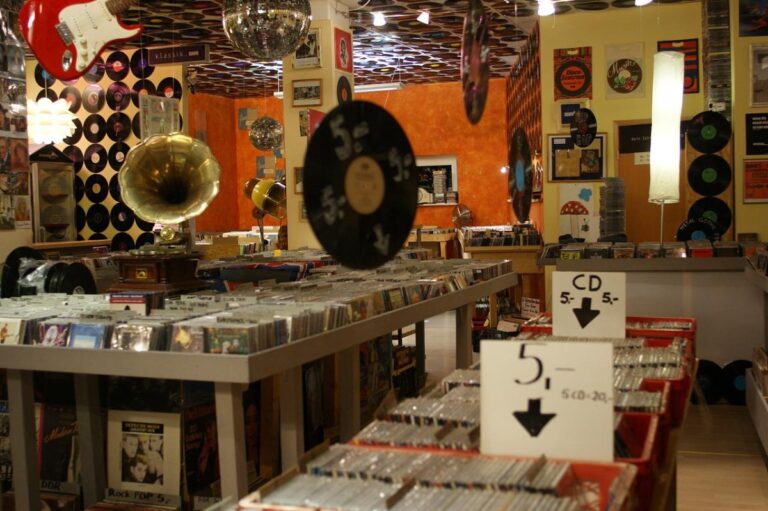 Shibuya: 7 shops, one neighbourhoodThe densest cluster of specialists in Japan, almost all inside Udagawacho. Jazz, club, hip hop, American analogue — and a department-store floor to start on.
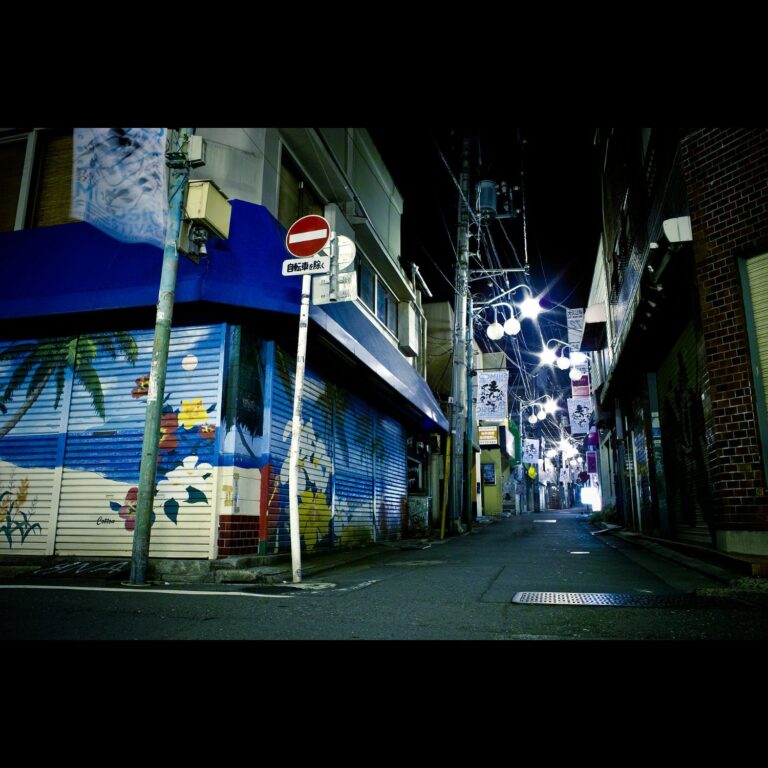 Shimokitazawa: 4 shops still standingCheaper and scruffier, and thinner than it was — four shops now, not eight. We list the ones that have closed so you do not walk to an empty unit.
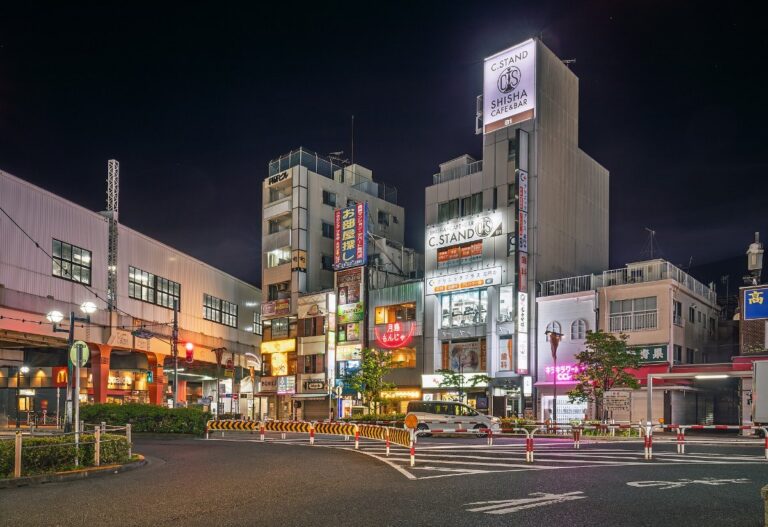 Koenji: records and vintage on the same streetCheap, dense and unpolished. Punk, psych and second-hand clothing within a few minutes of the station, and the least touristed of the four.
Planning to combine this with other stops? Our route and budget planner tool can help you work out an order and a rough budget.
Getting records home: vinyl is heavy and awkward to fly with. Our guide to tax-free rules and shipping your haul home covers the November 2026 refund change, how to post records internationally, and where to leave your bags while you dig. Heading west? Osaka’s record and vintage scene is in our Den Den Town & Amerikamura guide.

Comments