Information in this guide is accurate as of August 2026. Shop hours and locations change often, so confirm before you travel.
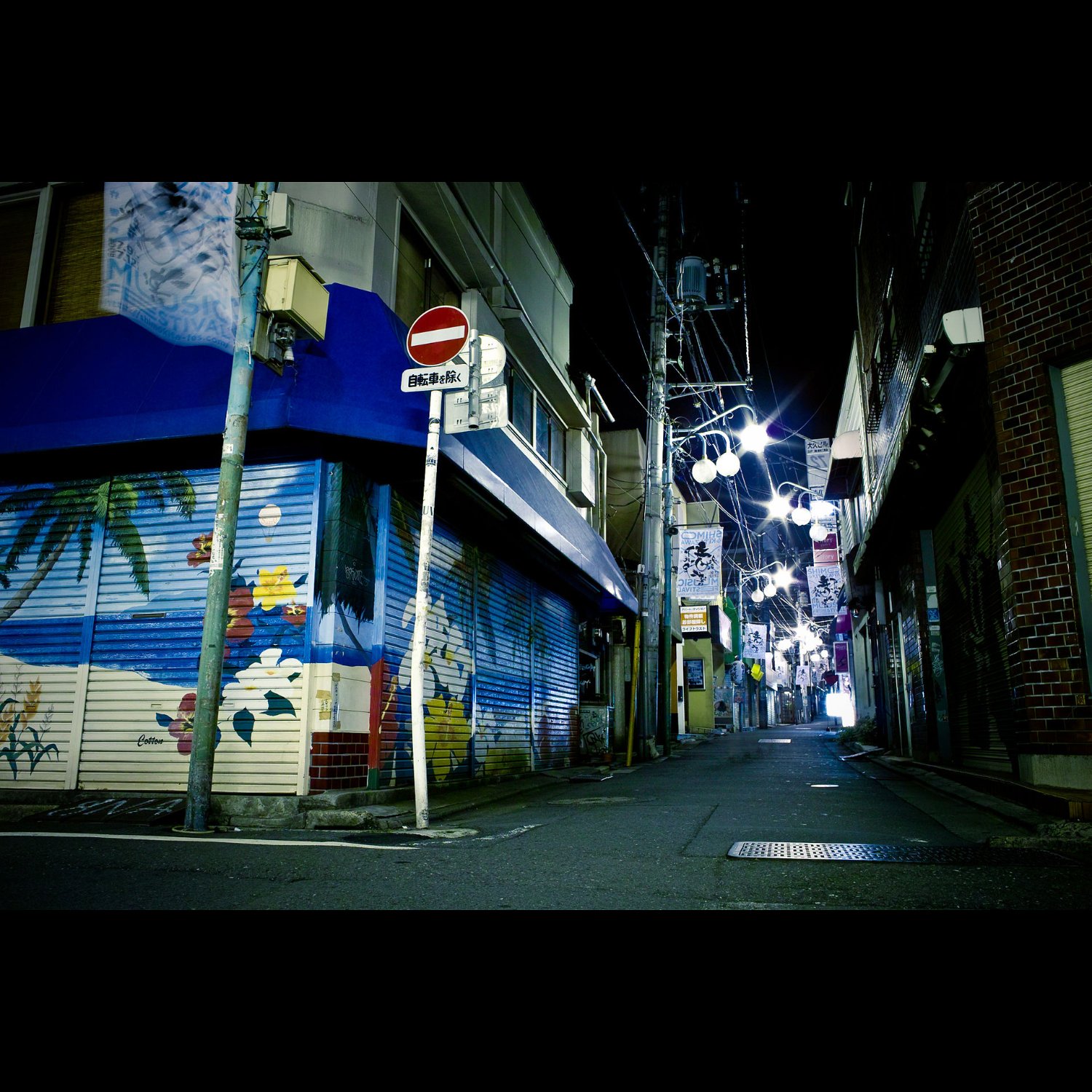
Shimokitazawa still repays a day of digging, but it is a thinner scene than the guides suggest. A short ride from Shibuya on the Keio Inokashira and Odakyu lines, “Shimokita” packs second-hand clothing, tiny live houses and coffee stands into a few walkable blocks of narrow streets — and four record shops that are genuinely worth your time. Several long-running names that still appear on English-language lists have closed; we cover those at the end so you do not walk to an empty unit.
Where Shibuya is about scale and Koenji is about grit, Shimokitazawa is where you dig slowly — one cramped, brilliantly curated shop at a time. For the citywide overview, see our Tokyo Record Shop Guide; when you are ready to plan a walking route between shops, drop them into the Route & Budget Planner.
1. Flash Disc Ranch
The neighbourhood institution, trading since 1982, and the one shop here that would justify the trip on its own. This second-floor room is stacked floor to ceiling with rock, jazz, house and new wave, and it is beloved for cheap bulk pricing — a great deal of stock sits around a few hundred yen — which rewards patient flipping rather than targeted searching. Grading is loose and the sleeves are dusty; that is the trade for the prices. Come here first, budget an hour, and expect to leave with more than you planned.
Misuzu Bldg. 2F, 2-12-16 Kitazawa · about 3 minutes from Shimokitazawa Station · from 12:00 on weekdays, from 14:30 at weekends (closing time varies by source — late evening on some listings) · closed Wednesdays
Flash Disc Ranch rewards flipping, not searching, which is why it pays to know your target prices before you fly. Look up the pressings you actually want on the Japanese secondhand market first: Buyee bids and buys on Yahoo! Auctions and Mercari on your behalf and forwards the parcel abroad, and CDJapan carries new domestic pressings with the obi still attached. Walk in with three or four reference prices in your head and an hour of flipping stops being a gamble.
2. JET SET Tokyo
The Tokyo outpost of the well-known Kyoto shop, and the most professionally run space in the neighbourhood. Jet Set is clean and modern, spanning soft rock, soul, house, disco, techno and Japanese pop, with a reliably strong mix of new and used records and honest condition notes. Prices are firm rather than cheap. Come here if you want current pressings and accurate grading; go to Flash Disc Ranch if you want a bargain.
Yanagawa Bldg. 201, 2-33-12 Kitazawa · 5–6 minutes from Shimokitazawa Station, on Ichibangai · 12:00–20:00 · open year-round except the New Year holiday
3. City Country City
Part record shop, part cafe, run by Keiichi Sogabe of Sunny Day Service — and the selection reflects a musician’s taste rather than a dealer’s. The vinyl leans toward acid folk, house and ambient, with a strong Japanese section that is a good introduction if you do not know where to start. The fourth-floor space also serves fresh pasta, coffee and beer, so it doubles as the natural place to rest mid-crawl.
Hosozawa Bldg. 4F, 2-12-13 Kitazawa · 1–2 minutes from Shimokitazawa Station · 12:00–22:00 (kitchen last orders 21:30) · closed Wednesdays
4. FUN FUN FUN RECORD (formerly Noah Lewis’ Records)
The specialist of the four: 1920s–60s American music — pre-war jazz and blues, country, early rock and oldies — in a small room a minute from the station. This is a shop for people who already know what they are looking for; the stock is narrow and deep rather than broad. It traded as Noah Lewis’ Records for twenty years and was renamed in 2020, which is why older guides send you hunting for a sign that no longer exists. Same address, same phone, same obsession.
Shimokitazawa Dent Bldg. 2A, 2-23-12 Kitazawa · 1–2 minutes from Shimokitazawa Station (west side) · unusual split hours: weekdays 10:00–13:00, weekends 17:00–21:00 — worth confirming before you go
Shops that have closed — and still appear on other lists
Shimokitazawa’s record scene has contracted sharply since the late 2010s, and English-language guides have been slow to catch up. If you are working from an older list, cross these off:
- Disc Shop Zero — closed. The shop ran a farewell clearance in 2020 and its owner has since died; the website is now an archive.
- Otonomad — closed. The domain has lapsed and local directories list it as 閉店.
- Best Sound Records — closed. It moved from Kitazawa to Daita and then wound down; the former owner has moved on to another business.
- Weekend Records — reported closed and absent from every current Shimokitazawa guide. Treat it as gone.
None of this makes Shimokitazawa a bad day out. It does mean you should plan four shops rather than eight, and pad the day with second-hand clothing and coffee, which the neighbourhood still does better than anywhere in Tokyo.
How to dig in Shimokitazawa
- Bring cash. Many small shops are cash-only or strongly prefer it, and prices are often handwritten.
- Go slowly, and not too early. Most shops open around midday and keep irregular hours; several close on Wednesdays, so a Wednesday trip can cost you half the list.
- Handle stock with care. Flip from the top, keep sleeves in order, and ask before photographing interiors.
- Grading matters for used records. Sleeve and vinyl are graded separately here. Look for condition notes on the sleeve, and ask staff to check the disc when in doubt — at Flash Disc Ranch in particular, the price reflects the risk.
- Four shops is a comfortable afternoon. Everything is within roughly six minutes’ walk of the station, so the time goes on browsing, not travel.
Digging a second day? Shibuya is the other half of the story — denser, more specialised and more expensive, with seven shops inside a ten-minute walk of the station. Shinjuku is the largest of the three by a distance — eighteen Disk Union shops across four buildings — and is also where both Nat Records and Shinjuku Record traded before they moved here.
Getting your finds home
Records are heavy and awkward to fly with, and tax-free is rarely on offer — secondhand goods do qualify under Japanese law, but most small shops are not licensed tax-free stores. If you buy more than you can carry, a forwarding service can consolidate and ship your haul home — see our guide to tax-free shopping and international shipping. A proxy service like Buyee can also buy and forward records you spot online but miss in store. Shimokitazawa itself has almost no hotels, which is worth knowing before you plan a late dig — our guide to where to stay covers the two places that do exist here and the districts worth commuting from. Getting online before you land makes the first hour easier: a prepaid Japanese eSIM activates on arrival.
Shimokitazawa’s other draw is secondhand clothing, and the racks sit on the same few streets as the record bins — our Shimokitazawa vintage clothing guide covers which shops are worth the detour. Staying nearby makes an early start easy. See where to stay in Tokyo for how the neighbourhoods compare, and our Tokyo Record Shop Guide for the shops worth crossing the city for.
And if the record you were after turns out to be a current domestic pressing rather than a used find, CDJapan ships Japanese editions overseas directly, obi intact, with no proxy in the middle.
Photo credits
Title image: “Shimokita Night” by Guwashi999 (Wikimedia Commons, CC BY 2.0). Record shop interior: “Clive’s Record Shop, Lerwick” by Mike Pennington (Wikimedia Commons, CC BY-SA 2.0).