Information in this guide is accurate as of August 2026, including the entry fee, which changed on 1 August.
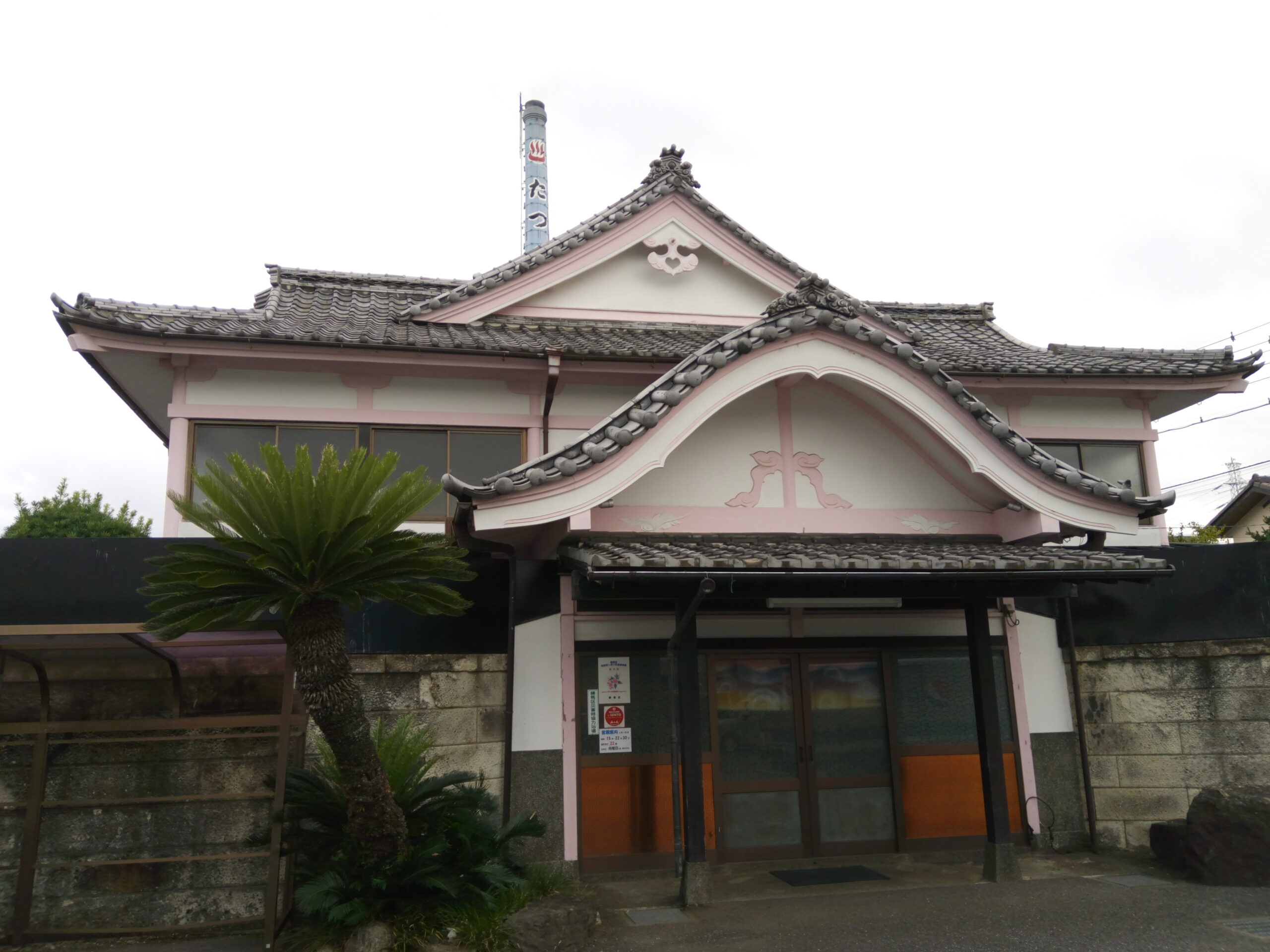
A sento (銭湯) is a neighborhood public bathhouse — cheaper, smaller, and far more low-key than an onsen resort — a bath is one of the cheapest things you will pay for all day, which is worth knowing when you are working out what a day in Tokyo actually costs, and often tucked into ordinary residential streets you’d otherwise walk right past. For travelers, sento are one of the most underrated things to do in Tokyo: a genuine slice of local daily life, and increasingly, a serious sauna scene in their own right thanks to Japan’s recent “totonou” (sauna) boom.
The one thing that stops a lot of international visitors from trying a sento is tattoos. Many traditional bathhouses still ban them outright, a holdover from tattoos’ historical association with organized crime. The three sento in this guide are not like that — all three are known, tattoo-friendly spots where ink is welcome in the communal bath, no covering or tape required.
Before you go, it’s worth knowing the basic etiquette every sento expects (the same logic runs through Japanese etiquette more widely), since none of it is usually written down in English at the front desk:
- Wash your body thoroughly at the wash stations before getting into any communal bath or sauna.
- No swimwear in the communal bath — it’s bathing in the nude, same as at home.
- Bring your own small towel; sit on it inside the sauna rather than directly on the bench.
- Keep conversation to a low murmur (or stay silent) in the sauna room.
- Don’t wring out or dip your bathing towel into the tub.
- No photography anywhere inside.
- Tie up long hair so it doesn’t touch the water.
- The classic sauna cycle (“totonou”) is sauna → cold plunge → a seated rest outside. Don’t linger in the cold plunge if others are waiting their turn.
Kosugiyu
小杉湯
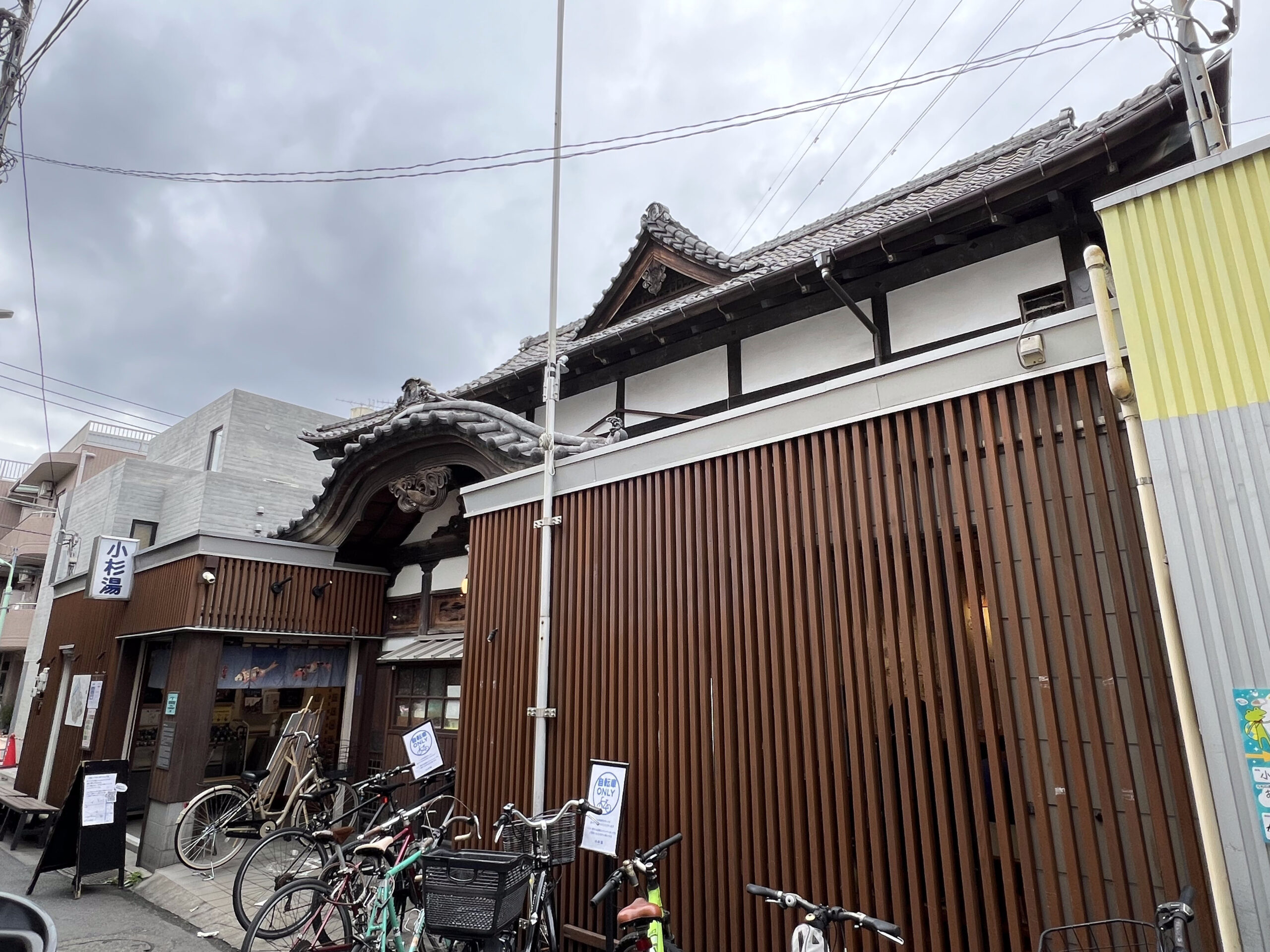
Area: Koenji, Suginami-ku | Nearest station: Koenji Station (JR Chuo/Sobu Line)
Address: 3-32-17 Koenji-kita, Suginami-ku, Tokyo
Hours: 14:00–01:30 weekdays, 08:00–01:30 weekends and holidays (the sento clock writes these as 25:30) — closed Thursdays
Operating since 1933, Kosugiyu is the closest thing on this list to a “classic” sento experience — old-school architecture and atmosphere, in a neighborhood (Koenji) known for its secondhand clothing shops and indie music scene, making it a natural pairing with a day spent browsing Koenji’s vintage stores.
- Price: ¥600 for adults — the Tokyo-regulated standard rate, raised from ¥550 on 1 August 2026
- Tattoo policy: Tattoo-friendly — tattoos are allowed in the communal indoor bath, no covering required
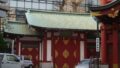
What makes it different: The building is not merely old, it is listed — the 1933 two-storey wooden bathhouse was entered on Japan’s register of Tangible Cultural Properties on 17 August 2020, which is why the roofline out front looks more like a shrine than a shopfront. If Koenji is genuinely out of your way, the same owners opened Kosugiyu Harajuku (小杉湯原宿) in the basement of Tokyu Plaza Harajuku “Harakado” in 2024, open 7:00–23:00 and also closed Thursdays; more polished, but a real sento and five minutes from Meiji-jingumae. The most historic, most “local” atmosphere of the three — this is what a Tokyo sento looked like for most of the last century, still fully in operation and popular with both longtime residents and visiting sauna fans.
Koganeyu
黄金湯
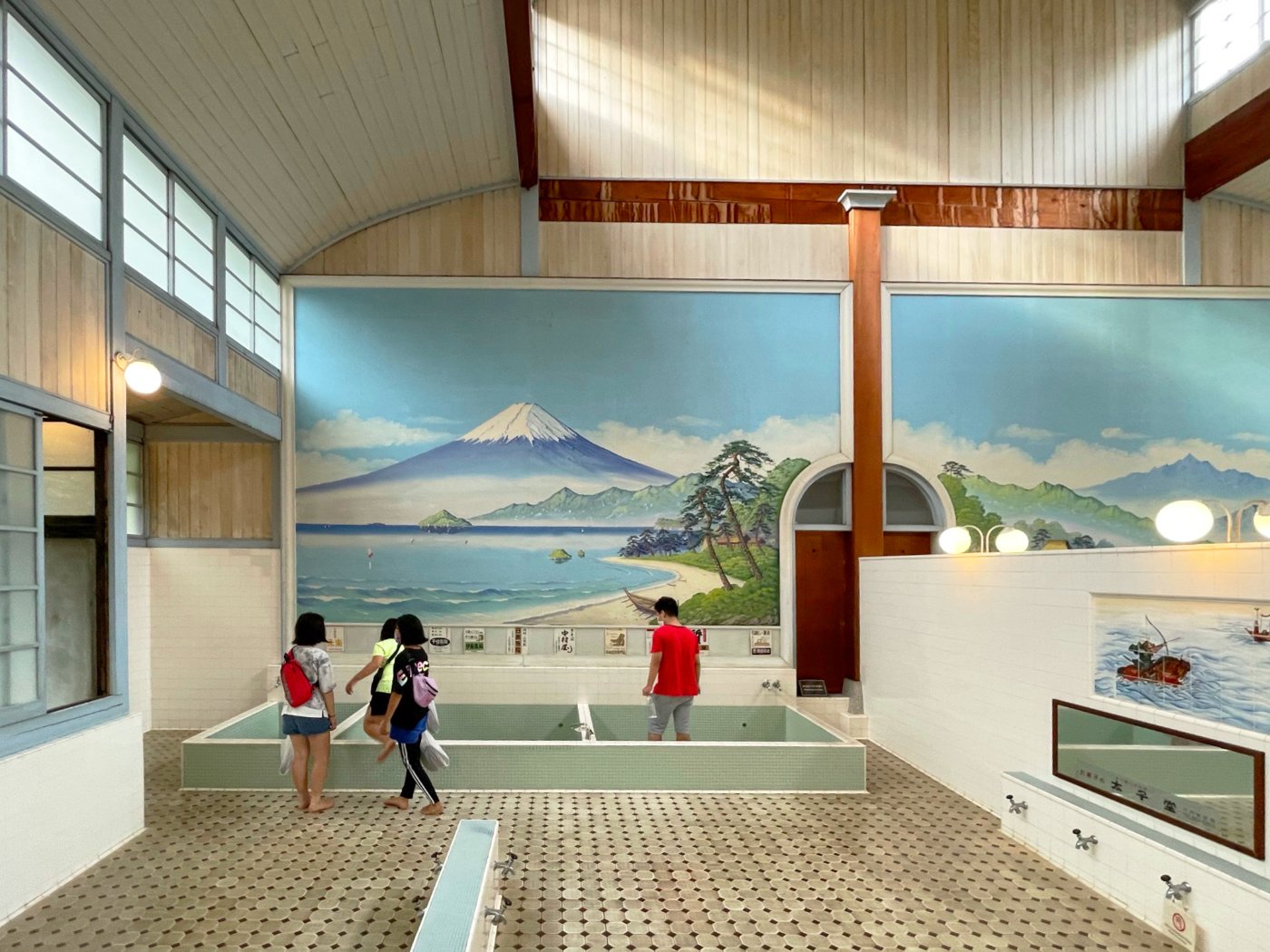
Area: Sumida-ku | Nearest station: Kinshicho Station (JR Sobu Line, north exit), ~6 min walk
Address: 4-14-6 Taihei, Sumida-ku, Tokyo
Hours: 10:00–24:30 (Saturdays from 15:00) — closed the 2nd and 4th Monday of the month
A stylishly renovated “design sento” — the opposite end of the spectrum from Kosugiyu’s old-school charm. Clean modern interiors and a genuinely well-regarded sauna setup have made it a favorite with a younger local crowd as well as dedicated sauna enthusiasts.
- Price: ¥600 base rate plus a sauna surcharge (the base rate rose from ¥550 on 1 August 2026)
- Tattoo policy: Tattoo-friendly — popular specifically with international visitors and sauna enthusiasts
What makes it different: It is the only one of the three you can eat, drink and sleep at — the bathhouse brews its own craft beer and pours it at a counter by the entrance, runs an attached kitchen (コガネキッチン) and an akasuri body-scrub service, and has added a small inn of its own upstairs. All the water in the building is softened. Koganeyu runs separate sauna setups — a self-löyly sauna (women) and an auto-löyly barley-stone sauna (men) — so if you’re specifically chasing a serious modern sauna session rather than just a bath, this is the strongest pick of the three. Note that löyly etiquette applies (don’t pour water on the stones without checking with other guests first).
Daikoku-yu (Oshiage)
大黒湯
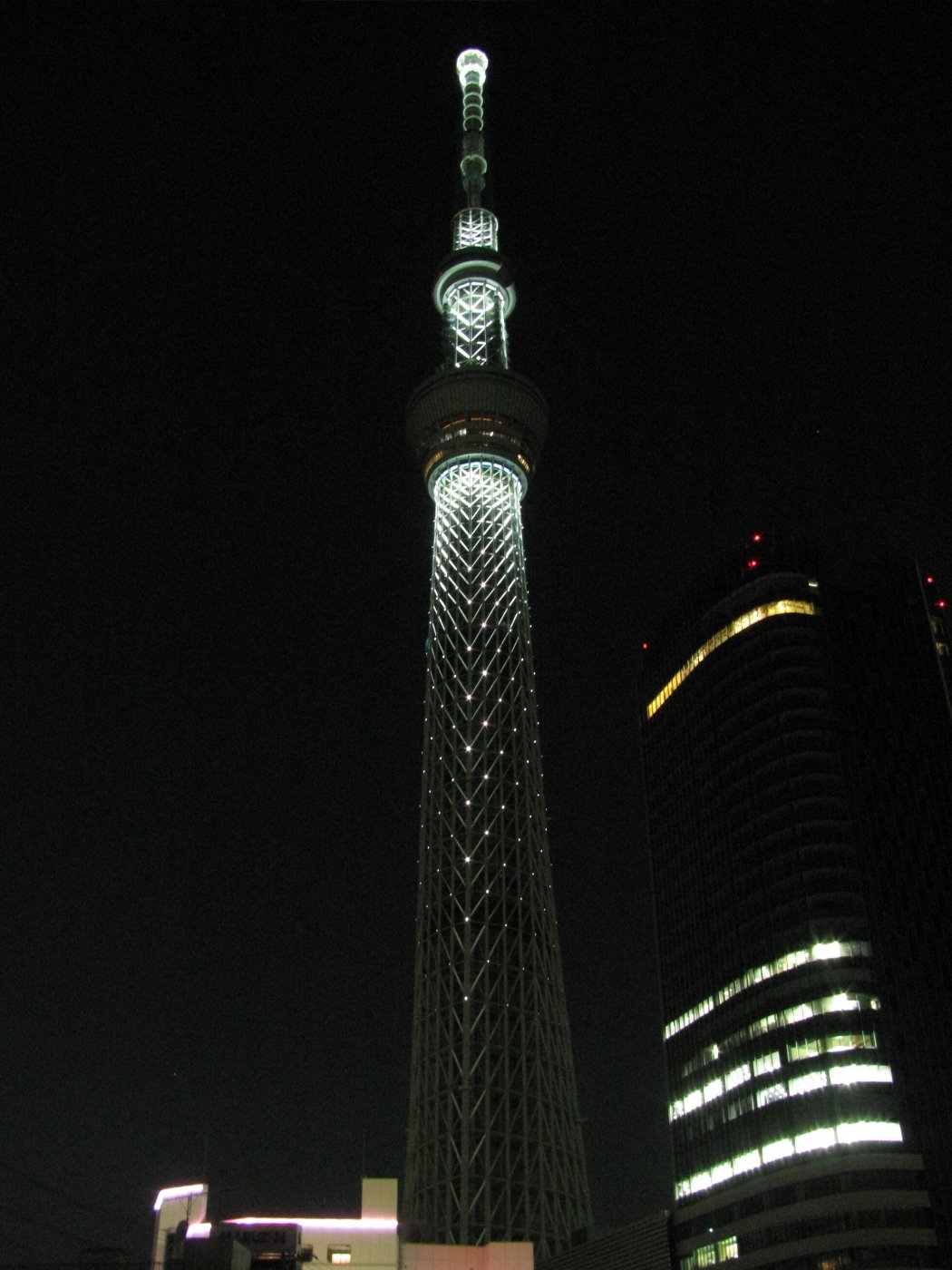
Area: Oshiage, Sumida-ku | Nearest station: Oshiage Station (Tobu Skytree Line / Toei Asakusa Line), ~6 min walk
Address: 3-12-14 Yokokawa, Sumida-ku, Tokyo
The draw here is the view: a rooftop open-air bath (rotenburo) that faces Tokyo Skytree directly. It’s a neighborhood sento first and foremost, but the rooftop bath makes it worth the detour if you’re already sightseeing around Skytree.
- Price: ¥600 for adults (90 minutes, or 2 hours if you add the sauna); ¥500 junior high, ¥200 primary, ¥100 under school age. Sauna is extra: ¥370 weekday / ¥400 weekend on the large open-air side, ¥300 / ¥330 on the carbonated-bath side
- Hours: Weekdays 15:00 to 10:00 the following morning, Sat from 14:00, Sun and holidays from 13:00 — closed Tuesdays (if Tuesday is a public holiday it opens and closes the Wednesday instead). That is not a typo: this was the first sento in the 23 wards to trade all night
- Tattoo policy: Tattoo-friendly — tattoos are allowed in the communal bathing areas
What makes it different: Check the date before you go. The large open-air bath and the high-concentration carbonated bath swap between the men’s and women’s sides according to the parity of the calendar date — the big rotenburo is on the men’s side on odd-numbered days and the women’s side on even-numbered ones. Turn up on the wrong day and you get the carbonated bath, which is excellent but is not the one with the view. The full name is Oshiage Onsen Daikoku-yu (押上温泉 大黒湯): the water is a genuine natural hot spring rather than heated tap water, and alongside the baths there are a yomogi steam salt sauna, a far-infrared sauna, a cold plunge, a walking bath and a medicated bath that changes daily. The rooftop is a wooden deck, so the Skytree view is from open air rather than through glass. The only one of the three with a rooftop open-air bath, and the only one with a genuine only-in-Tokyo view — soaking with Skytree lit up in front of you is not something you can do anywhere else on this list.
What a sento costs in 2026 — the price changed on 1 August
Sento pricing in Tokyo is not set by the bathhouse. The metropolitan government fixes a maximum entry fee (統制額) that every public bathhouse in the city has to charge, which is why a listed 1933 landmark and a renovated design sento cost exactly the same to walk into.
That figure went up on 1 August 2026: adults now pay ¥600, up from ¥550. Children aged 6–11 stay at ¥200 and under-sixes at ¥100 — only the adult rate moved. Almost every English-language guide still quotes ¥550, or the older ¥520; if you budgeted from one of those, add a little.
What is not regulated is the sauna. Each bathhouse sets its own surcharge on top, and that is where the real difference in cost sits — Daikoku-yu charges ¥300–400 depending on which sauna and whether it is a weekday. A towel set is usually around ¥130 more, though shampoo and body soap are free at the newer places. Reckon on ¥600 for a bath and ¥900–1,100 for a bath with sauna.
Planning your visit
All three are spread across different parts of Tokyo rather than clustered together, so pick based on what else is on your itinerary that day: Kosugiyu pairs naturally with a Koenji vintage-shopping afternoon, while Koganeyu and Daikoku-yu are both a short ride from Skytree/Oshiage if you’re sightseeing on that side of the city.
Budget ¥600 for a plain bath and roughly ¥900–1,100 once you add a sauna surcharge, and bring a small towel and coins — some smaller sento are still cash-only.
Photo credits: Tokyo Skytree photo by Aimaimyi (CC BY-SA) — all photos via Wikimedia Commons.
Sources: Tattoo Friendly Onsen, Koganeyu official site, Lakrasse Guidebook.

Comments