Japan is famously easy to navigate as a first-time visitor — most locals are patient with foreigners, and honest mistakes rarely draw more than a polite smile. But 2026 has brought a wave of newly enforced etiquette rules in response to overtourism, plus a handful of everyday customs that trip up visitors constantly. Here’s what actually matters, starting with the rules that can get you fined.
Information in this guide is accurate as of July 2026, including fines and district-specific rules, which continue to expand as more areas roll out overtourism measures.
The Big Rules: What Can Actually Get You Fined in 2026
Kyoto’s Gion district now enforces a ¥10,000 fine for entering the private side alleys off Hanamikoji Street, aimed squarely at stopping tourists from chasing and photographing geiko and maiko without consent. The main street stays open, but dozens of side lanes are strictly off-limits, marked with signs and barriers. Never photograph a geiko or maiko without asking first, and treat any “private street” sign as a hard boundary, not a suggestion.
Gion isn’t an isolated case. Around 47 areas across Japan have adopted similar overtourism measures — physical barriers, photography bans, and fines — with a national target of 100 areas by 2030. Fujikawaguchiko’s view of Mount Fuji is another well-known example, where a large barrier now blocks a famously Instagrammed photo spot. The practical takeaway: look for posted signage before you shoot, and assume popular photo spots may have new restrictions that didn’t exist even a year or two ago.
Onsen & Public Bath Etiquette
The basics are non-negotiable at any onsen or public bath: wash and rinse your whole body at the shower stations before getting in, bathe fully nude (swimsuits aren’t allowed in traditional baths), and never let your towel or hair touch the water. Keep your voice down and don’t swim or splash — it’s a soaking bath, not a pool.
Tattoos are the question that trips up the most visitors. There’s no national law banning them, but it’s down to each individual facility — roughly half of bathhouses still refuse tattoos outright (we have visited and written up three Tokyo sento where tattoos are welcome), while unconditional acceptance and cover-sticker policies have both grown noticeably since 2015. Tourist-friendly areas like Hakone, Tokyo, Kyoto, Beppu, and Kinosaki tend to be the easiest for tattooed travelers. If you’re not sure, message the facility ahead of time, carry waterproof cover seals for smaller pieces, or book a private kashikiri bath or a ryokan room with its own in-room onsen — searchable directly on Booking.com — which sidesteps the issue entirely.
Everyday Manners: Trains, Queues & Public Spaces
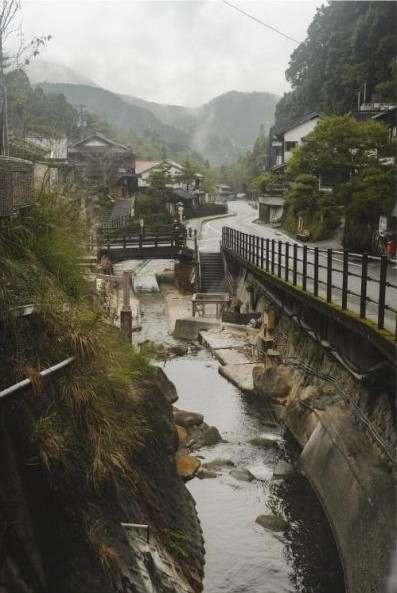
Trains and buses run on quiet, orderly behavior: keep phone calls off, set your phone to silent mode, and line up in the marked spots on the platform rather than crowding the doors. Priority seats near the doors are for elderly, pregnant, disabled, or injured passengers — even if the car looks empty, it’s polite to avoid sitting there if you can. Escalator etiquette varies by region (Tokyo stands on the left, Osaka on the right), so glance at what locals are doing before you plant yourself.
Public trash cans are genuinely rare in Japan, so get comfortable carrying your trash — including food wrappers and empty bottles — until you find a bin, usually near a convenience store or vending machine. Eating while walking is generally frowned on outside of festival food-stall areas, where it’s expected. And while drinking alcohol in public is legal, keep it low-key; loud, drunk behavior in public draws far more attention in Japan than it would back home.
Temples, Shrines & Cultural Sites
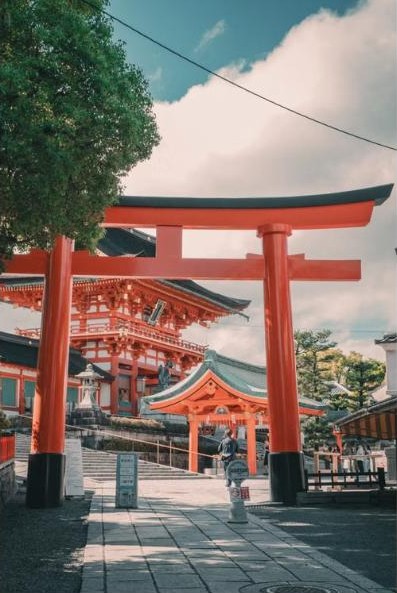
At a shrine’s torii gate, a quick bow before entering is a nice touch, and walking along the side of the path rather than straight down the middle is traditional (the center is considered the path of the gods). If you are collecting goshuin, the hand-brushed shrine stamps, the same courtesies apply at the stamp desk. Most shrines have a purification fountain near the entrance — rinse both hands and then your mouth with the ladle provided, without letting the ladle touch your lips directly. Dress modestly, keep your voice down, and never climb on statues, gates, or structures for a photo.
Photography rules vary a lot by site — some temple halls and treasure rooms ban photos entirely to protect artifacts, so always check for posted signs before raising your camera. If you want a deeper, more respectful introduction to a temple, shrine, or a tea ceremony than you’d get wandering in alone, a guided tour booked through Klook can walk you through the etiquette in real time, which is especially useful at sites where the rules aren’t obvious to first-time visitors.
Eating & Drinking Etiquette
Say “itadakimasu” before you start eating and “gochisousama” when you finish — small phrases that go a long way. Never stick your chopsticks upright in a bowl of rice (it echoes a funeral ritual), and don’t pass food directly from your chopsticks to someone else’s, for the same reason. Slurping noodles is genuinely fine and even normal; it’s not considered rude the way it might be elsewhere.
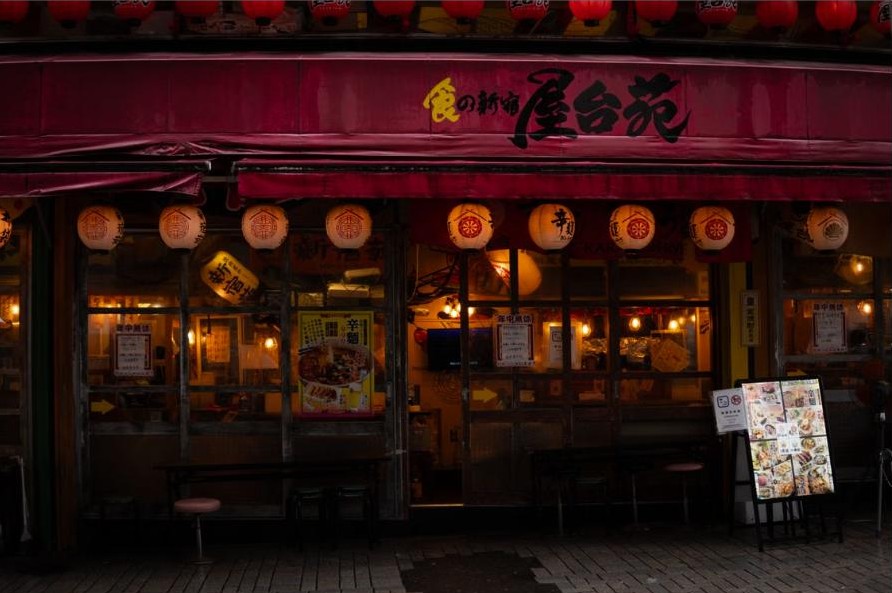
Tipping isn’t expected anywhere in Japan — leaving cash on the table can actually confuse or embarrass staff, so don’t. At izakayas, expect a small automatic seating charge (otoshi) that comes with a little starter dish; it’s standard practice, not a scam. Standing bars work differently again — no seat, no otoshi, and you pay as you go; our guide to the Yurakucho arches walks through how ordering and paying actually go. And if you’re eating from festival food stalls or a konbini, that’s one of the few places where eating while standing or walking is completely normal and expected.
Quick Etiquette Checklist
- Check for posted signs before photographing people, alleys, or temple interiors
- Wash thoroughly before soaking at an onsen, and message ahead if you’re unsure about tattoo policy
- Keep phone calls and loud conversation off trains and buses
- Carry your trash until you find a bin — don’t expect one on every corner
- Don’t tip, and don’t be alarmed by the small otoshi charge at izakayas
None of this is meant to make you anxious about getting something wrong — most etiquette slip-ups get nothing worse than a polite non-reaction, and Japan is genuinely one of the more forgiving places to travel as a visitor. The handful of rules that actually carry fines or real consequences are the ones worth knowing cold; everything else is just about traveling a little more considerately.
Heads up: Oshi Trip Japan takes part in affiliate programs, so some links on this site may earn us a small commission at no extra cost to you. Full details on our Affiliate Disclosure page.


Comments