“Seichi junrei” (聖地巡礼) — literally “pilgrimage to a sacred place” — is what Japanese fans call the practice of visiting real-world locations that inspired or appeared in a favorite anime or manga. What started as a grassroots fan hobby has grown into a recognized part of Japan’s tourism industry: local governments now publish official location maps, and some shrines run limited-edition collaboration goods with anime studios. Here are three real, verifiable spots in and near Tokyo where you can experience it, based on official tourism board and shrine sources rather than a single fan account. All three are working shrines rather than sets, so if you want to come away with something more than photographs, our guide to collecting goshuin covers the etiquette and what the calligraphy actually costs.
Information accurate as of August 2026. Hours, admission policies, and collaboration goods change often — confirm details on each location’s official website before visiting.
1. Kanda Myojin Shrine (Chiyoda)
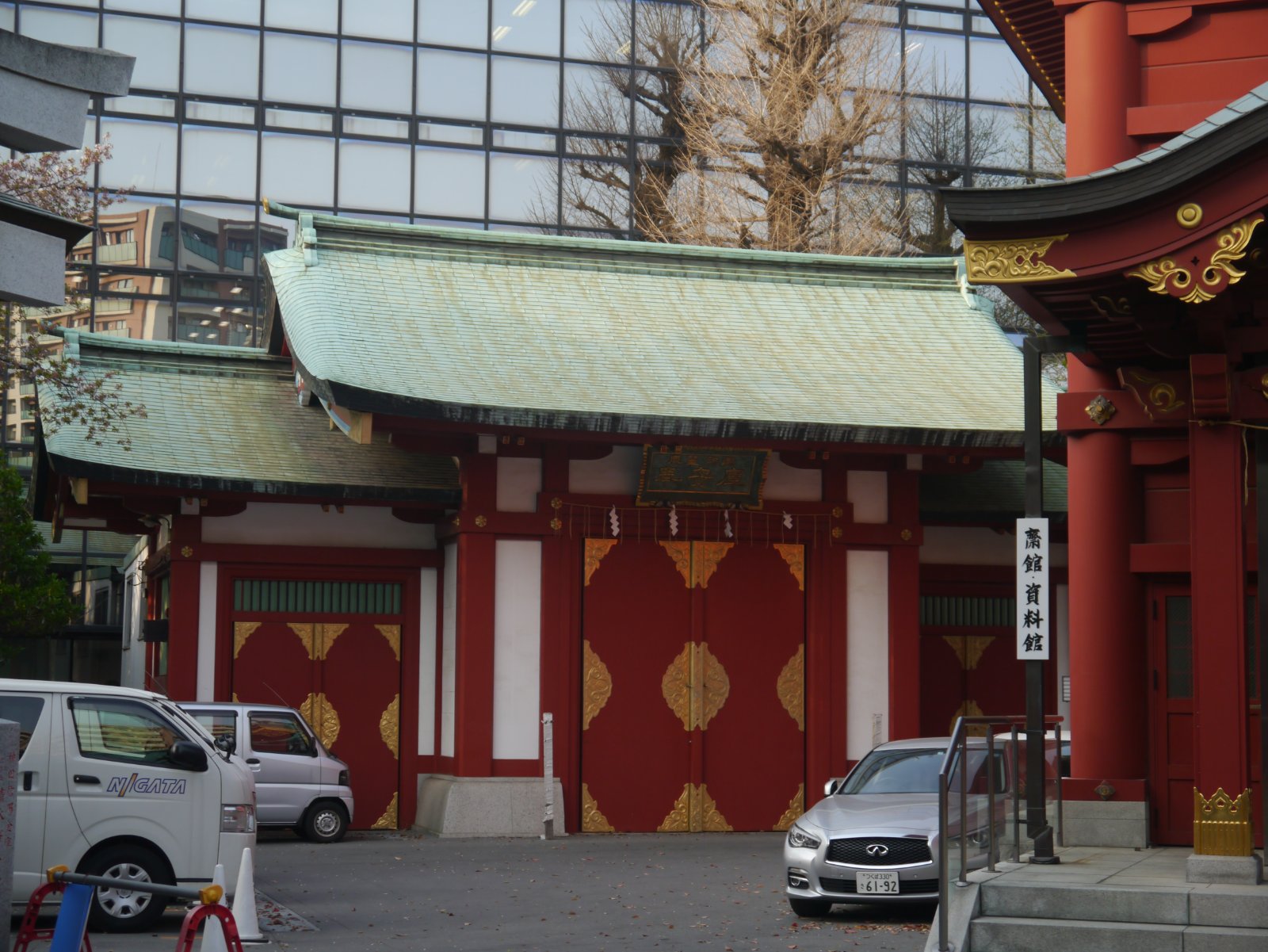
Kanda Myojin (also called Kanda Shrine) sits a short walk from Akihabara and is one of the clearest examples of a real shrine leaning into its anime fame rather than avoiding it. Tokyo’s official tourism board lists it as a Love Live! setting and as one of the entries on the Anime Tourism 88 list, which also takes in nearby Steins;Gate locations.
One thing worth setting straight, because plenty of guides still say otherwise: there is no permanent range of anime omamori on sale here. The long-running Love Live! charm was discontinued on 27 August 2022 and the remaining stock sold out that day. What Kanda Myojin actually runs is dated, recurring collaborations — a Nijigasaki tie-in at the August 2025 Noryo Matsuri, an Initial D and MF Ghost original-artwork exhibition from 25 October to 24 November 2025, and a Shigure Ui collaboration at the 2026 Noryo Matsuri from 7 to 9 August. Arrive on an ordinary weekday and you will find an ordinary, and very beautiful, shrine.
If you are timing a visit around one of those collaborations, understand how the goods sales work before you commit. Both the 2025 and 2026 events gated the merchandise area behind a LINE-based reservation: an advance lottery first, then same-day web tickets from 10:00 that require GPS confirmation from inside the shrine grounds. Without a LINE account and a working Japanese data connection that is hard to do as a visitor. The shrine itself stays free and open either way.
- Address: 2-16-2 Sotokanda, Chiyoda City, Tokyo
- Access: about 5 minutes on foot from Ochanomizu Station (JR Chuo Line or Tokyo Metro Marunouchi Line), or roughly 7 minutes from Akihabara Station
- Hours: grounds open 24 hours; prayer reception 9:00–15:45; the amulet and goshuin counter roughly 9:00–18:00
- Admission: free for the grounds. The on-site museum is ¥500 for adults and ¥300 for students, 9:00–16:00 with last entry at 15:45, closed Thursdays
- EDOCCO: the shrine’s culture complex, holding the gift shop, a café and an events hall. It does not publish opening hours, so call ahead if it is the reason you are making the trip
2. Washinomiya Shrine (Kuki, Saitama)
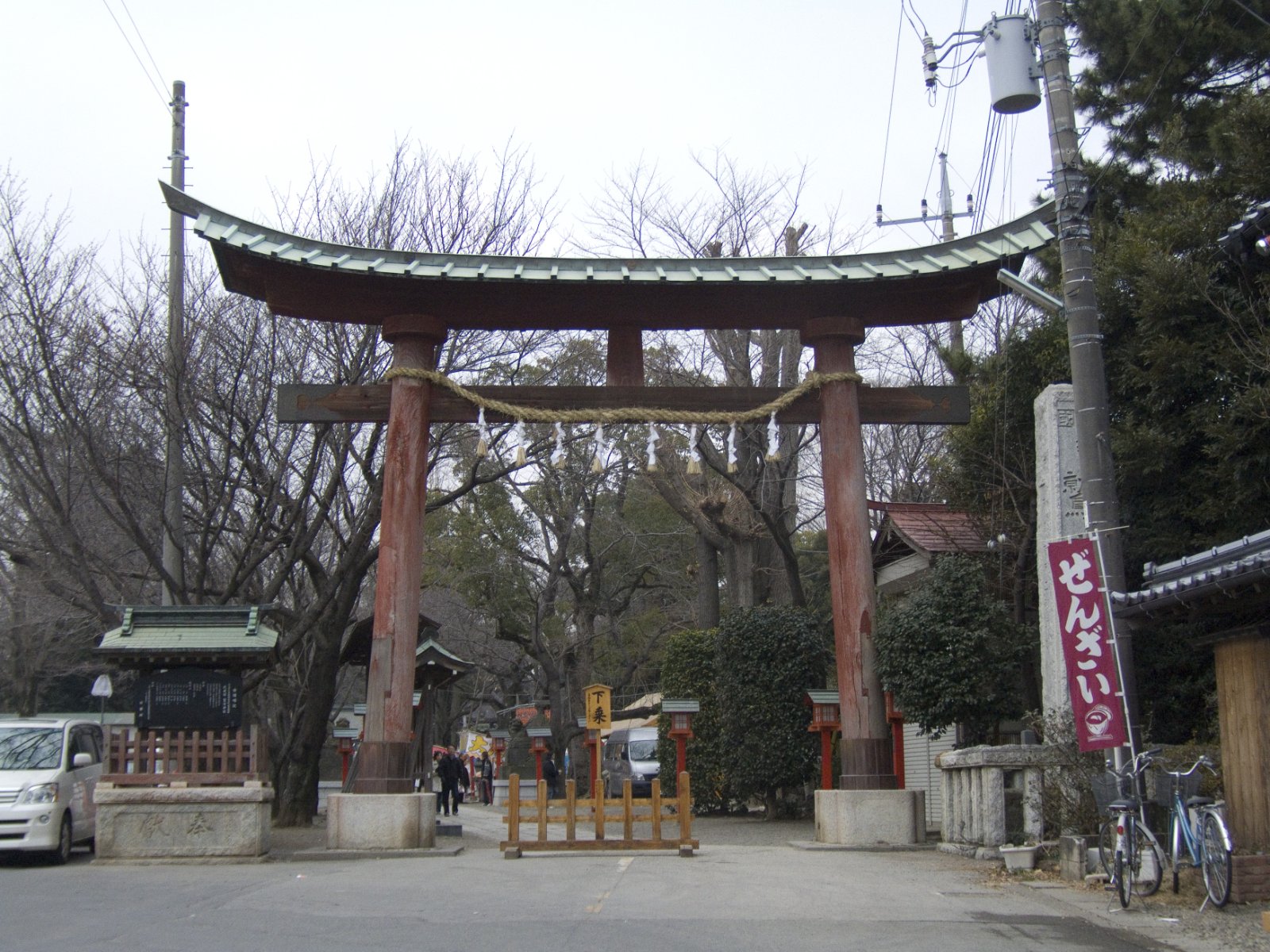
Washinomiya Shrine is arguably where the modern seichi junrei boom began. It served as the real-world model for the fictional Takanomiya Shrine in Lucky Star, and after a Japanese magazine published a route guide from Akihabara to the shrine in 2007, fan visits multiplied fast enough that Washinomiya became a widely cited case study in anime-driven tourism. It is just outside Tokyo proper but easy to fold into a day trip, and the shrine still displays Lucky Star ema drawn by visiting fans.
The detail that catches people planning around a festival: the Lucky Star mikoshi no longer appears at Hajisai. Its last documented Hajisai outing was the 34th festival, in 2016. Since 2018 it has been carried at the Yasaka Matsuri instead, held on the fourth Sunday of July — 26 July in 2026 — and Kuki City’s own Hajisai page no longer exists. Any guide telling you to come in September for the portable shrine is years out of date.
What is actually running is the Lucky Stamp Rally, operated by the Washinomiya branch of the Kuki Chamber of Commerce and open until 30 December 2026: you register through LINE, buy at participating shops and scan a QR code for each digital stamp. Redesigned Lucky Star flags line the walk from the station, and there is a life-size Tsukasa Hiiragi statue outside Washinomiya Post Office.
Ema are ¥1,000 and you write them yourself. Ootori Chaya, the old rest-house by the shrine, is where the merchandise concentrates; Someya Shoten, opposite the station, stocks pilgrimage maps.
- Address: 1-6-1 Washinomiya, Kuki City, Saitama Prefecture
- Access: about 8 minutes on foot from Washinomiya Station (Tobu Isesaki Line). From Tokyo Station the quickest routing is roughly 1 hour 15 minutes and ¥1,090 with one change at Kuki; there is a slower ¥820 option with three changes
- Hours: the grounds are open at all hours, but the shrine office and goshuin counter run roughly 9:00–16:00 — arrive before 15:30 to be safe
- Admission: free, with free parking and toilets on site
3. Suginami Animation Museum (Suginami City)
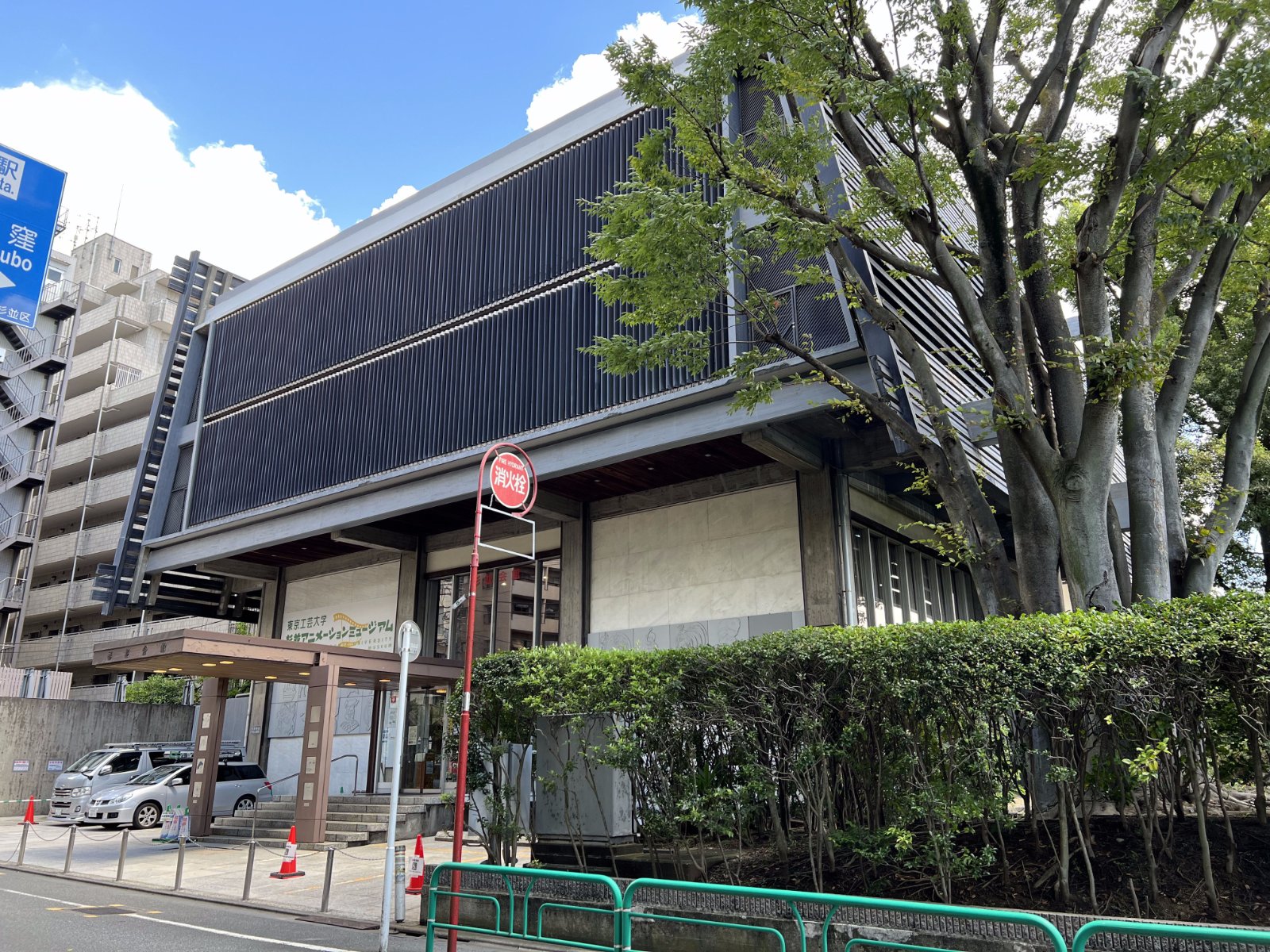
This one is less about a filming location and more about understanding the industry behind the shows. Housed inside the Suginami Kaikan community building, the Suginami Animation Museum is a small, free museum dedicated to the history and craft of Japanese animation as a whole — not tied to a single studio or franchise, which makes it one of the only museums of its kind in Japan. Exhibits cover the production process, dubbing and sound design, with a workshop space, a 200-inch theatre, an anime library and rotating exhibitions.
Since 2018 it has carried a naming-rights title and signs itself as the Tokyo Polytechnic University Suginami Animation Museum, so do not be thrown if the building does not match the name in your notes. The rotating show as of August 2026 is a Shin-Ei Animation 50th anniversary exhibition, running until 29 November 2026.
- Address: 3F Suginami Kaikan, 3-29-5 Kamiogi, Suginami City, Tokyo
- Access: about 20 minutes on foot from Ogikubo Station, or a Kanto Bus from the north exit (stop 0 or 1) about 5 minutes to Ogikubo Keisatsusho-mae, then 2 minutes on foot. The bus is the intended route
- Hours: 10:00–18:00, last entry 17:30; closed Mondays (if that Monday is a national holiday it opens and closes the following weekday instead) and 28 December–4 January
- Admission: free, with no reservation needed for individuals. Groups of seven or more must apply in advance
- Worth checking: short unscheduled closures do happen — the museum shut from 21 to 24 July 2026 — so look at the official site the week you go
What changed near Tokyo in 2025 and 2026
The biggest change of all is happening this month, and it is not a shrine. The life-size Unicorn Gundam outside DiverCity Tokyo Plaza in Odaiba is being removed on 31 August 2026 after nine years — with a farewell ceremony on 29 August. Almost every English guide still lists it as permanent. If it was on your list, our guide to the Odaiba Gundam has the final show times and what stays afterwards.
Anime tourism turns over faster than most travel writing keeps up with. Four things are worth knowing before you plan around an older list.
- Immersive Fort Tokyo in Odaiba closed permanently on 28 February 2026. It ran Tokyo Revengers and Alice in Borderland attractions and appears on a lot of 2024 and 2025 recommendation lists. It is gone.
- PokéPark KANTO opened inside Yomiuriland on 5 February 2026, reached from Keio Yomiuri-Land Station by gondola or bus. It is advance-ticket only and the launch lottery was aimed at residents of Japan, so confirm you can actually buy from overseas before you build a day around it.
- Sailor Moon -Shining Theater- opened at Club eX in Shinagawa on 4 April 2026, running in two blocks through November 2026, with English subtitles. Advance booking required. It is the most visitor-friendly new arrival on this list.
- Ghibli Museum in Mitaka is still reservation-only, sold through Lawson Ticket on the 10th of each month at 10:00 Japan time for the following month. Tickets are name-registered and photo ID is checked at the door, so a resale ticket will not get you in.
- Toei Animation Museum in Nerima is free, 11:00–16:00, closed Wednesdays — the obvious studio-specific counterpart if the Suginami museum leaves you wanting more.
Etiquette that pilgrims get wrong
These are working religious sites that happen to be famous. The rules are not onerous, but the ones visitors break tend to be the same five.
- Photography. The grounds are normally fine. The inside of the main hall, ceremonies in progress, weddings and priests are not — Kanda Myojin discourages photography inside the hall outright. Shooting for a monetised channel counts as commercial use and needs permission at most shrines.
- Ema. An ema is bought in order to be dedicated, not taken home. Write it, hang it, leave it. Photographing the rack as a whole is normal practice at Washinomiya — that rack is half the reason people come — but close-ups that make other people’s names and addresses legible are not.
- Worship. Rinse your hands at the temizu first, and never drink from the ladle. Then two bows, two claps, one bow.
- Cosplay. Assume it is not permitted at a working shrine unless the shrine has organised the event itself. Neither Kanda Myojin nor Washinomiya publishes a policy, which means it falls to staff discretion on the day. Arrive in normal clothes.
- Offerings. There is no official rule requiring a ¥5 coin. That is folklore, not doctrine — any small coin is fine.
None of the three sites on this page needs a ticket, a reservation or an app. That is genuinely unusual now, and it is a large part of why they make a good first pilgrimage. If you would rather have the transport and timing handled for you, Klook’s Tokyo tours and experiences cover guided walks around Akihabara, a seven-minute stroll from Kanda Myojin.
More seichi junrei to come
These three only scratch the surface. Japan’s official “Anime Tourism Seichi 88-sen” list runs to dozens of locations nationwide, and shrines, museums, and city governments continue to strike new anime collaborations every year. We’ll keep adding verified pilgrimage spots to this category as we cover more neighborhoods.
Planning a trip that combines a few stops like these? Our route and budget planner tool is being expanded to include pilgrimage locations — check back soon.