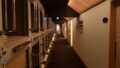
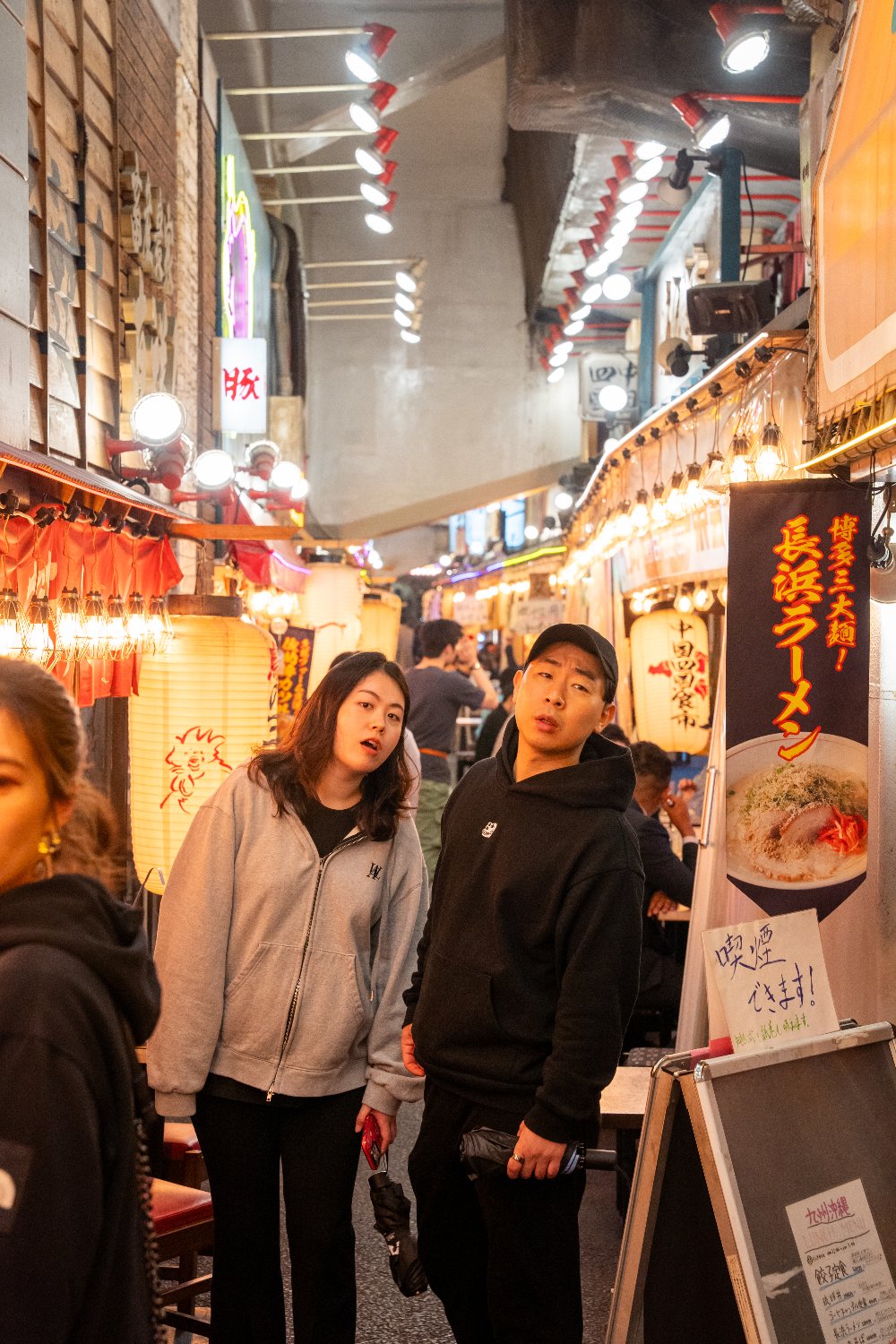
Tachinomi (立ち飲み, literally “stand and drink”) is Tokyo’s answer to the after-work pint: no reservations, no seats, no lingering — just a counter, a cold drink, and a few small plates. The single best place to try it is Yurakucho’s Gado-shita, a strip of yakitori joints and standing bars packed into the brick arches under nearly 700 meters of elevated train track between Yurakucho and Shimbashi stations. It’s been salaryman territory for decades, and it’s one of the most atmospheric, least touristy drinking experiences in central Tokyo.
Information accurate as of July 2026. Hours, menus, and cash-only policies change; confirm before making a special trip.
How tachinomi actually works
If you’ve never done this before, a few things make standing bars different from a regular restaurant:
- No host, no reservation. Walk in, find a gap at the counter, and squeeze in — it’s normal to end up shoulder-to-shoulder with strangers.
- Order at the counter or flag staff down. Drinks and small plates arrive fast; the format is built for quick turnover, not lingering over a menu.
- Cash is king. Most old-school tachinomi are cash-only. Don’t assume a card or IC card will work.
- Payment styles vary. Some spots have you pay as each round arrives, some tally up your empty skewers and plates at the end, and a few (mostly Osaka-style bars) use a cash tray on the counter for staff to make change from.
- It’s fine to stay 20 minutes or 2 hours, but if you’re settling in, order more as you go rather than nursing one drink.
- A quick “chekku” (check) or crossed-finger gesture signals you want the bill; a simple “arigatou” on your way out goes a long way.
1. Andy’s Shin Hinomoto
A fish-focused izakaya under the tracks run by Andy, a British expat, with an English menu that makes it an easy first stop for overseas visitors — without losing the crowd of local regulars that keeps it authentic. Spread over two floors, it’s a good option if the true standing-only spots feel too intense for a first try.
- Address: 2-4-4 Yurakucho, Chiyoda City, Tokyo. The sign reads 新日の基
- Hours: Mon-Sat 17:00-24:00 (last order 23:10); closed Sundays
- Price range: Mid, cash only
2. Baden Baden
An unexpected German beer hall wedged into the same brick arches as the yakitori joints, pouring Hofbrau and other German beers in proper glassware alongside sausages, pretzels, and schnitzel. The contrast with the rest of Gado-shita — German oompah vibes under a Japanese train line — is part of the appeal, and sharper than it looks: the viaduct itself was designed by a German engineer.
One correction to the guides that file it as a standing bar: it is not one. Baden Baden is a seated beer restaurant with around 120 covers, and unlike its neighbours it takes cards and IC payment. If someone in your group wants to sit down and pay by card, this is where the group ends up. The draught Hofbräu is imported from Munich.
- Address: 2-1-8 Yurakucho, Chiyoda City, Tokyo. The sign reads バーデンバーデン
- Hours: Mon–Fri 17:00–23:00 (last order 22:30); Sat 16:00–23:00; Sun and public holidays 16:00–22:00; no fixed closing day
- Price range: Mid. Cards and IC accepted — the one place on this list where you do not need cash
3. Matsusou
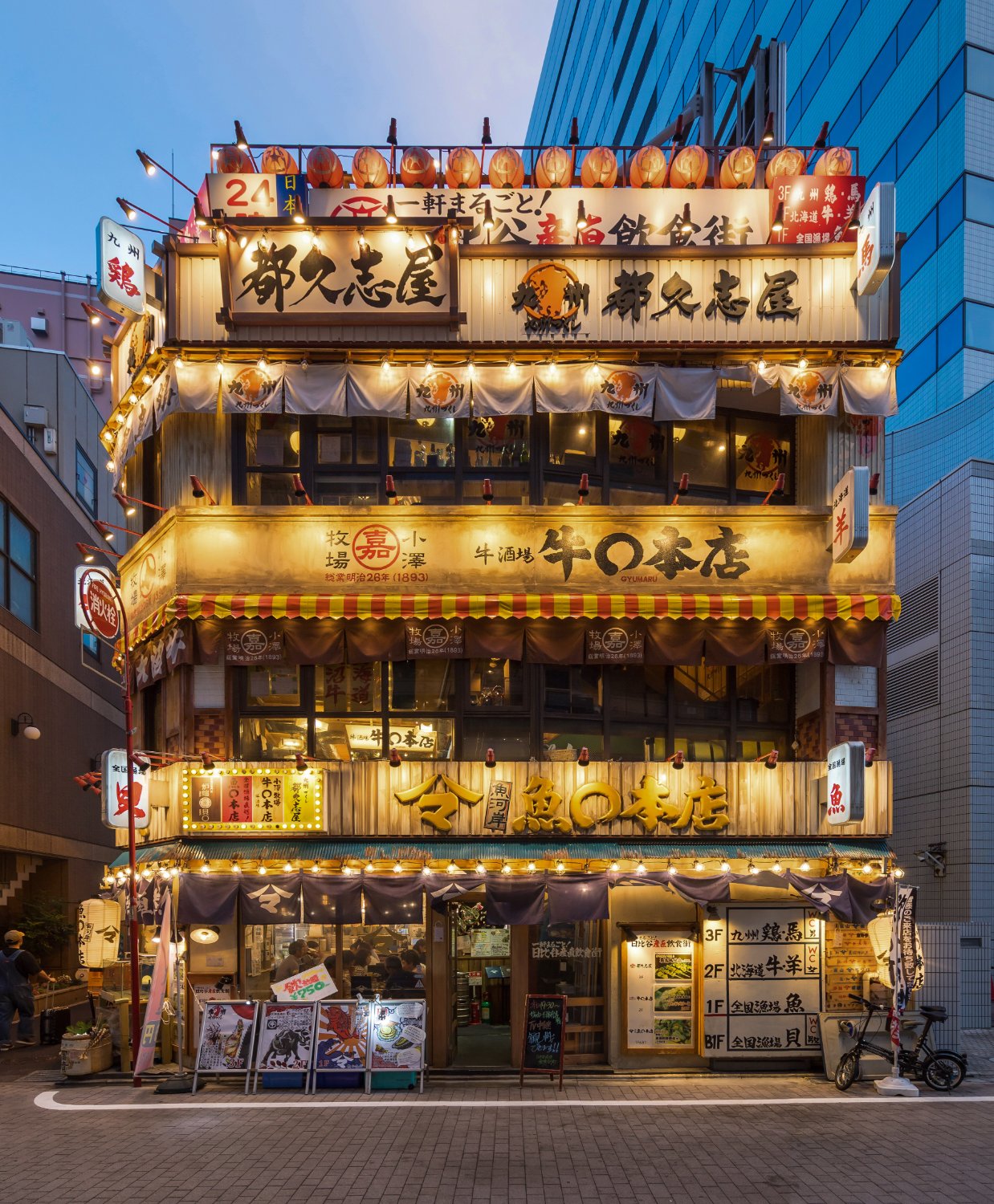
A popular skewer-and-seafood spot with both terrace seats overlooking the tracks and counter seats facing the grill, so you can choose between watching the food or the trains go by. Grilled seasonal fish, especially sanma (Pacific saury) in autumn, is the highlight.
- Address: 2-1-20 Yurakucho, Chiyoda City, Tokyo
- Hours: Approx. 16:00-23:00 (verify before visiting)
- Price range: Budget-Mid
4. Yakitori Ton Ton
A cash-only, no-reservations yakitori counter loved for its tsukune (chicken meatballs) and chicken liver skewers, best ordered with sauce rather than salt. The retro, slightly worn-in atmosphere is exactly what people picture when they imagine a classic Gado-shita bar.
- Address: 2-1-10 Yurakucho, Chiyoda City, Tokyo. The sign reads 登運とん — note it is a motsuyaki counter (grilled offal) as much as a yakitori one
- Hours: 11:30-23:00 daily
- Price range: Budget, cash only
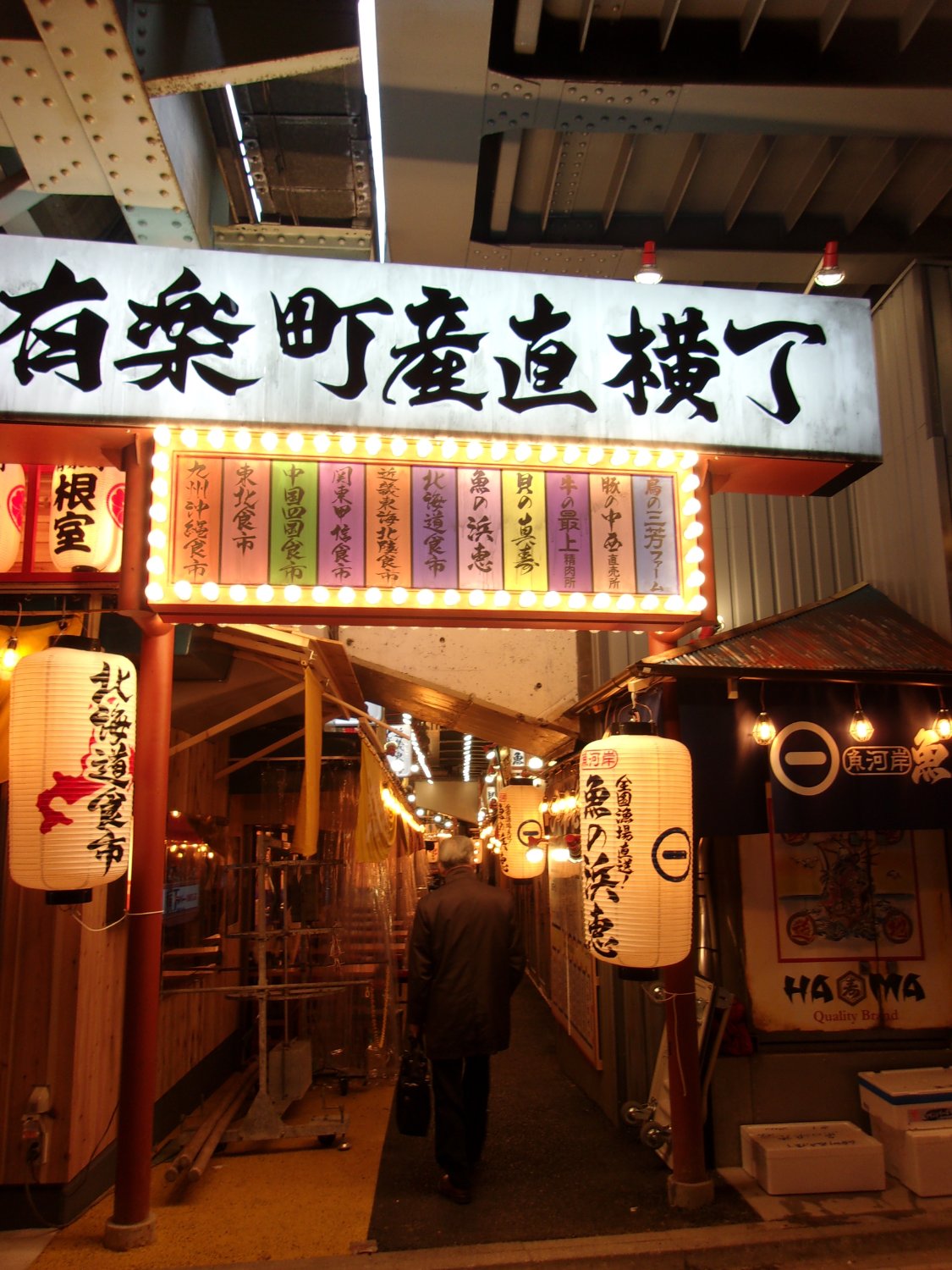
The arches are older than nearly everything around them
The brick viaduct you are drinking under is the Shin’eikan Shigaisen, begun in 1900. The Shimbashi–Yurakucho stretch opened in 1910, and the full run from Hamamatsucho to Tokyo Station was finished in 1914. It was built to a standard of 12-metre and 8-metre segmental arches and took something in the order of 54 million bricks. In 2010 it was designated a Selected Civil Engineering Heritage structure.
The basic design was drawn up by a German engineer, Franz Baltzer, on a proposal from another German, Hermann Rumschöttel — which makes a German beer hall sitting in these arches rather less incongruous than it first appears. The arch bays are also why the bars are shaped the way they are: a shop that fits inside one brick arch is long and narrow, and a narrow room with a counter down one side is a room you stand in.
“Under the tracks” now means two different places
English guides tend to treat the whole Yurakucho–Shimbashi viaduct as one thing. It is not, and knowing the difference will save you an argument.
The stretch immediately around Yurakucho Station is the old Gado-shita: Showa-era signage, red lanterns, tables spilling onto the pavement, mostly cash. That is what the four bars above are. Keep walking along the same arches towards Uchisaiwaicho and you reach Hibiya OKUROJI, which opened on 10 September 2020 — roughly 7,200 square metres of the same century-old arches converted into a curated run of around fifty restaurants and shops. Seated, quieter, card-friendly, and a good deal more expensive.
Neither is better. They answer different evenings. If you came for the atmosphere in the photographs, stay at the Yurakucho end. If you are with someone who wants a chair, a reservation and a card reader, walk on to OKUROJI rather than trying to make Gado-shita be that.
Hours here move, and the listings are frequently wrong
We re-checked these four against their own listings in August 2026 and found one set of opening hours that has been copied around the English-language web incorrectly. Several of the older shops publish no hours at all, and the ones that do treat them as a guideline. Practical habits: go on a weeknight if you can, arrive from around 17:00 for elbow room, and treat any single online listing as one source rather than the answer.
Bring more cash than you think you need. Most of the old shops take nothing else, ATMs that accept foreign cards are not on every corner, and a night of small plates adds up faster than it feels like it should. We go through the options in our guide to exchange counters, ATMs and cards, and what an evening like this costs against everything else in the 2026 cost breakdown.
Getting your bearings
All four are within a two-minute walk of Yurakucho Station, tucked into the same run of viaduct arches, so bar-hopping between them is easy — most people do exactly that, having one drink and a skewer at each stop rather than settling in at just one. Go early (from around 17:00) if you want elbow room; by 19:00 on a weeknight, standing room only means exactly that.
Prefer a guided first visit? Klook’s Shinbashi izakaya and snack bar half-day food tour covers this same under-the-tracks drinking culture just one stop away, with food and drinks included.
Planning to combine this with other stops? Our route and budget planner tool can help you work out an order and a rough budget.