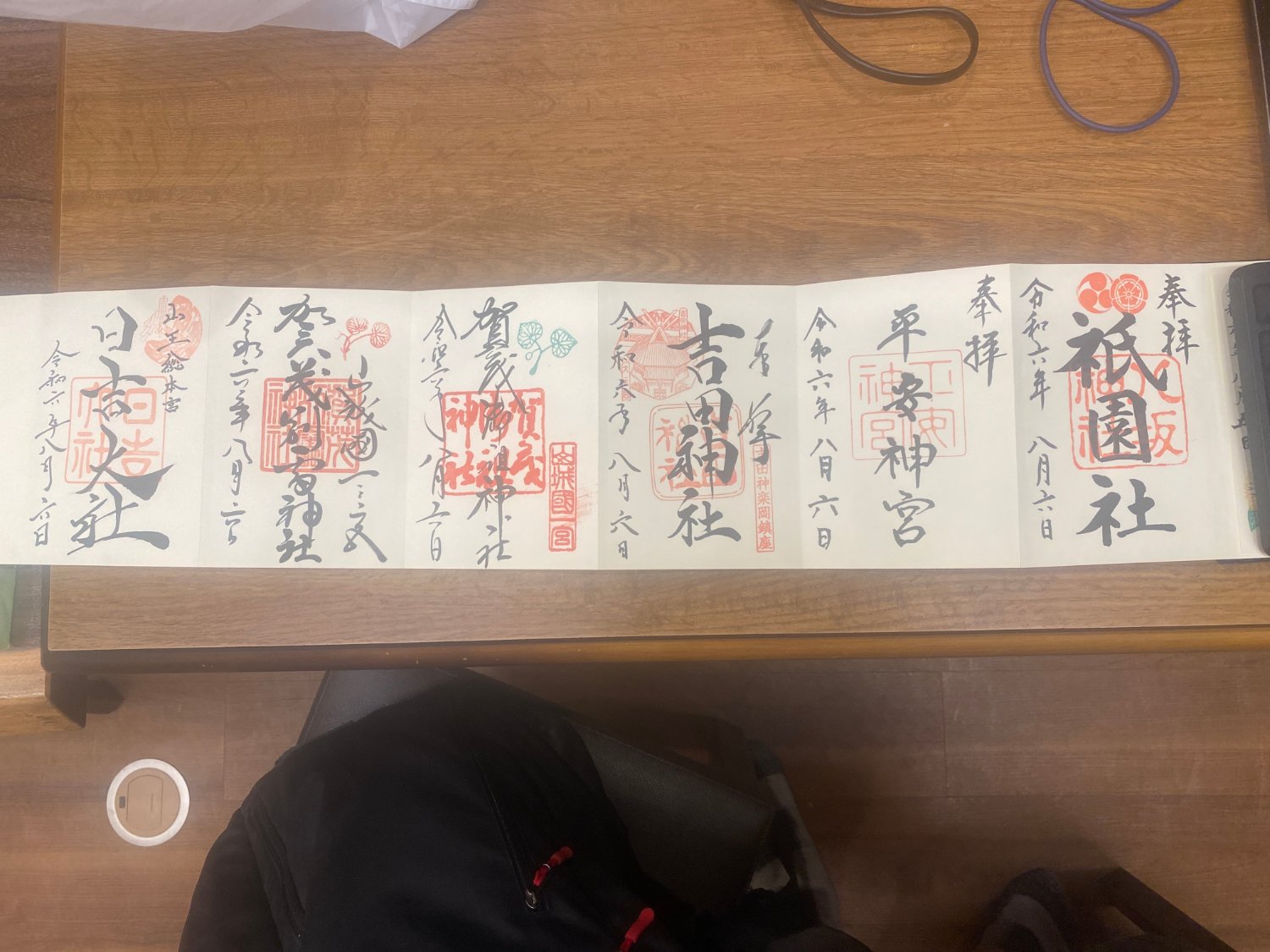
Goshuin (御朱印) are hand-written, hand-stamped proofs of worship that Shinto shrines and Buddhist temples give visitors who stop to pray. Each one is different — different calligraphy, different vermilion stamps, sometimes different seasonal designs — which makes collecting them in a dedicated stamp book (goshuincho) one of the most satisfying low-cost souvenirs you can bring home from Japan. These four Tokyo shrines are a good starting point, mixing easy access, striking goshuin designs, and (for a couple of them) crossover appeal for anime and kawaii-culture fans.
Information accurate as of July 2026. Goshuin offerings, hours, and prices change; confirm before making a special trip.
- How goshuin collecting actually works
- At the window: what to do, and the one thing not to do
- Chokugaki and kakioki: why you may be handed a slip
- The book
- What you pay, and why it is not a price
- 1. Kanda Myojin
- 2. Imado Shrine
- 3. Hie Shrine
- 4. Hanazono Shrine
- It is not a stamp rally, and the shrines have said so
- Doing all four in one day
- Getting your bearings
How goshuin collecting actually works
A goshuin is not a stamp-rally souvenir — it’s a record that you personally worshipped at that shrine or temple, so a few rules of etiquette matter more here than at a typical gift shop:
- Worship first, goshuin second. Go to the main hall, bow, offer a coin, and pray before you head to the goshuin window.
- Bring or buy a goshuincho. Most shrines and larger temples sell their own accordion-fold stamp books (typically ¥1,500–¥3,000) if you don’t already have one; buying your first book at the first stop you visit is a common way to start.
- It has to be your own visit. Handing someone else your book to collect a goshuin on your behalf isn’t proper etiquette — it’s meant to be a record of your own worship.
- Consider separate books for shrines and temples. Some Buddhist temples (particularly Jodo Shinshu sect temples) don’t offer goshuin at all, and a few more traditional temples prefer not to stamp a book that already has Shinto shrine stamps in it. Serious collectors often keep two books to avoid any awkwardness.
- Expect a small fee, usually ¥300–¥500 per goshuin, paid in cash.
- Treat the finished book with care. It’s considered disrespectful to give away or discard a goshuincho once it’s been used.
At the window: what to do, and the one thing not to do
Hand the book over yourself, already open at the page you want, held out in both hands. Take the elastic band or slip-cover off first — it is there to protect the book in your bag, not for the person receiving it to peel apart. Start from the first right-hand page and work forward; do not use the inside of the front cover, where the ink will not set properly.
Do not photograph the calligrapher while they are writing. This is the point English-language guides most often get wrong, and it is not a matter of taste — shrine authorities list it explicitly as a breach of etiquette, alongside talking and using your phone at the window. Photographing the finished goshuin afterwards is fine. Nobody minds that.
Put the money in the tray rather than into someone’s hand, and let the ink dry before you close the book. If there is a queue you may be handed a numbered ticket and asked to come back — that is a good sign, because it usually means the writing is being done by hand.
The mistakes that shrines themselves complain about are worth knowing, because they are all avoidable: turning up after the goshuin desk has closed, hurrying the person writing, asking for the design to be changed, and complaining that the calligraphy does not match a photograph seen online. Each one is written by hand, by a different person, on a different day. That is the point of it.
Chokugaki and kakioki: why you may be handed a slip
There are two formats. Chokugaki (直書き) is written into your book while you wait. Kakioki (書き置き) is a pre-written sheet you take away and paste in yourself. Both are the real thing; one is just more of an occasion than the other.
Most shrines switched to slips in 2020, because handing a book that many people had touched back and forth was exactly the kind of contact everyone was trying to avoid. What is less obvious in 2026 is that the slip has stuck around for a second reason: crowd control. Shrines with heavy festival days now run slip-only for those days regardless of hygiene, and at least one of the four below keeps a longer opening window for slips than for direct writing.
The correction worth making, because a guide written in 2023 gets it wrong: Kanda Myojin does not write directly, and this has nothing to do with the pandemic. Collectors’ records show handwritten Kanda goshuin in 2012–2014, and pre-written slips already standard by 2019. If a guide tells you Kanda “has not gone back to normal yet”, it is describing a change that happened years before the thing it is blaming.
The honest expectation to travel with: assume you may be handed a slip, and treat direct writing as the bonus. Bring a glue stick, or a folder — a slip loose in a bag for two weeks does not survive well.
The book
Goshuincho come in two sizes that matter and a lot of shapes that do not. Standard is 11 × 16 cm; large (大判) is 12 × 18 cm. Shrines mostly sell standard — in one survey of 200 books, 88% of shrine-sold books were standard, while nearly half of temple-sold books were large. If you expect to collect a lot of pre-written slips, the large book is the safer buy: about 28% of slips do not fit a standard book without trimming, and trimming somebody’s calligraphy to fit is a miserable job.
Almost every book you will see is jabara (蛇腹) — one long strip of paper folded concertina-style, usable on both sides, and it opens flat so the calligrapher is not fighting a spine. The stitched watoji (和綴じ) style exists but is uncommon. Shrines sell their own at their 授与所, and general stationery chains carry them too, but buying your first one at the first shrine you visit is the nicer way to start — the book itself is treated as something you receive from the shrine, not merchandise.
On the thing everyone worries about: no, shrines will not generally refuse a book that already has temple seals in it. There is no such rule. A goshuincho manufacturer describes refusals as rare, a folklore scholar points out that Japan spent most of its history with kami and buddhas worshipped together, and the clinching evidence is that whole pilgrimage circuits deliberately mix the two — the Seven Lucky Gods route that includes Imado Shrine below is exactly that. Separating them is tidiness, not obligation.
There are two real exceptions. Nichiren-sect temples write a goshudai (御首題) rather than a goshuin, and some will only write it in a dedicated book — that is a doctrinal distinction about the sect, not about mixing shrines and temples, and none of the four shrines here is affected. The other is novelty-shaped books: an odd-sized souvenir book genuinely can be turned away.
What you pay, and why it is not a price
The word is hatsuho-ryo (初穂料) — literally the first of the rice harvest, offered to the kami. It is an offering with a conventional amount attached, which is why “how much does a goshuin cost” is very slightly the wrong question.
The conventional amount in Tokyo in 2026 is ¥300 to ¥500, and ¥500 is now the common rate at busy shrines — two of the four below have moved up from ¥300 in the last couple of years. Elaborate double-page or cut-paper versions run ¥600–1,000. If you are ever told okimochi de (“as you feel”), ¥300–500 a page is right and nobody will think anything of it.
Bring coins. Many desks cannot break a ¥10,000 note, and expecting change from one is poor form when the transaction is framed as an offering. Assume cash: none of the four shrines here advertises card or QR payment for goshuin. Cashless does exist at Japanese shrines but it is marginal — a few dozen nationwide out of roughly eighty thousand, mostly for the offertory box rather than the goshuin desk, and at least one shrine that tried it has since dropped it.
1. Kanda Myojin
Akihabara’s guardian shrine, a short walk from Ochanomizu or Akihabara Station, with roughly 1,300 years of history. It’s also one of Tokyo’s best-known crossover points between traditional Shinto worship and anime culture: Kanda Myojin has been featured in Love Live!, Steins;Gate, and Tokyo Ravens, was named one of the “88 Anime Pilgrimage Sites” by the Anime Tourism Association, and sells limited-edition goshuin and amulets tied to those collaborations alongside its regular offerings.
- Address: 2-16-2 Sotokanda, Chiyoda City, Tokyo
- Hours: Grounds open 24 hours; goshuin and amulet office approx. 9:00-18:00
- Goshuin fee: Approx. ¥500, more for limited-edition designs
Want to see it with a guide? Klook’s Akihabara half-day walking tour with an anime-fan guide includes a stop at Kanda Myojin alongside the district’s shopping highlights.
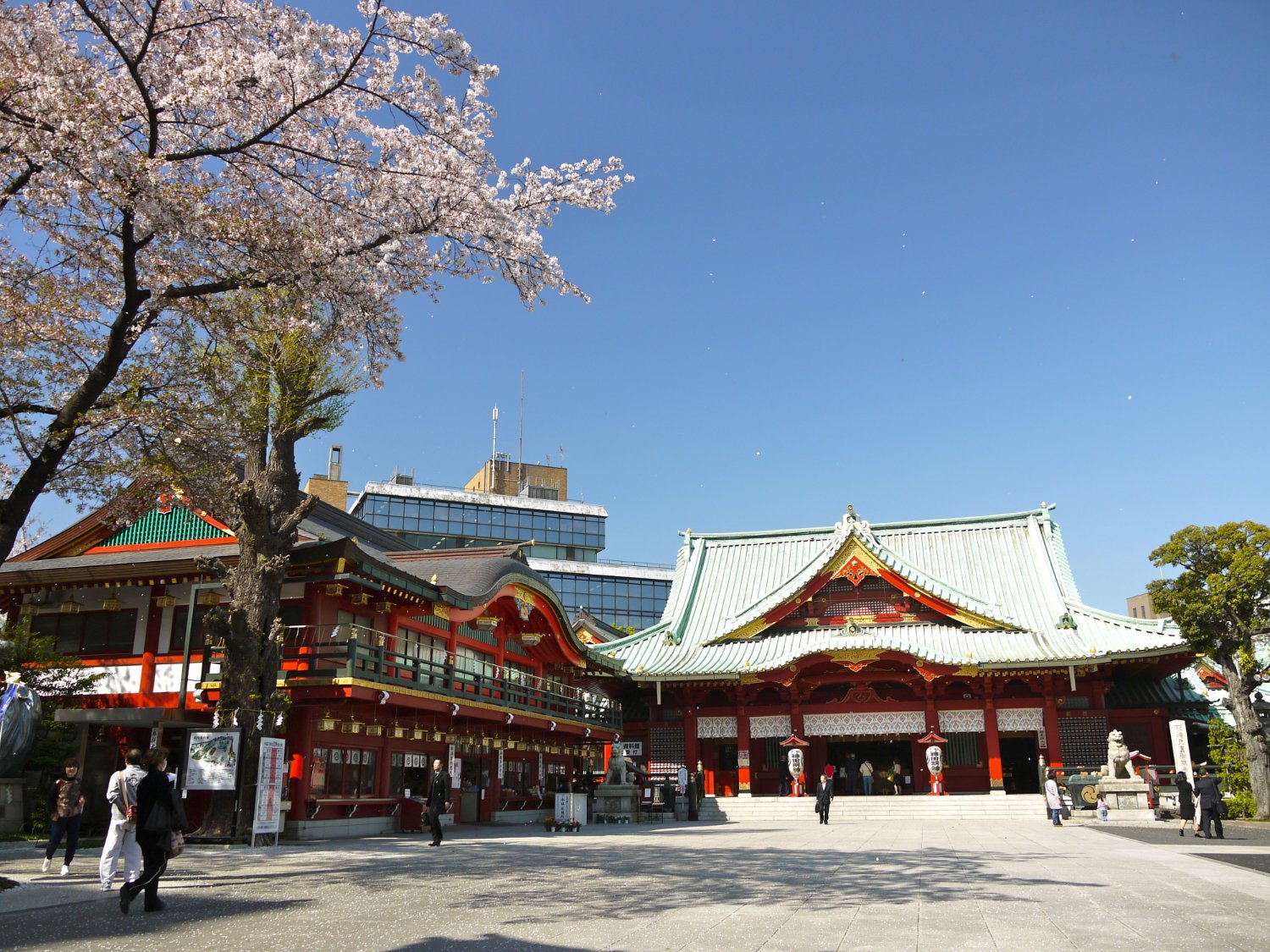
Goshuin here: the desk is inside EDOCCO, the modern culture building on the left once you are through the main gate — not the traditional office you would expect to look for. Pre-written slips only, and as above, that predates the pandemic. Reckon on ¥300–500 and roughly 9:00–16:00; the shrine publishes neither figure on its own website, so treat both as approximate and carry coins for either. There are monthly and seasonal limited editions, and the New Year and Kanda Matsuri ones sell out. Waits of twenty to thirty minutes are normal at weekends and on holidays.
2. Imado Shrine
A small shrine in Asakusa that claims to be the birthplace of the maneki-neko (beckoning cat), and it leans into that fully — cat statues throughout the grounds, and a goshuin done in pink ink with hearts and cat motifs that stands out from the more traditional black-and-vermilion designs elsewhere on this list. It’s also known as a matchmaking shrine, popular with couples.
- Address: 1-5-22 Imado, Taito City, Tokyo
- Hours: Grounds open 24 hours; goshuin office approx. 9:00-16:00
- Goshuin fee: Approx. ¥500
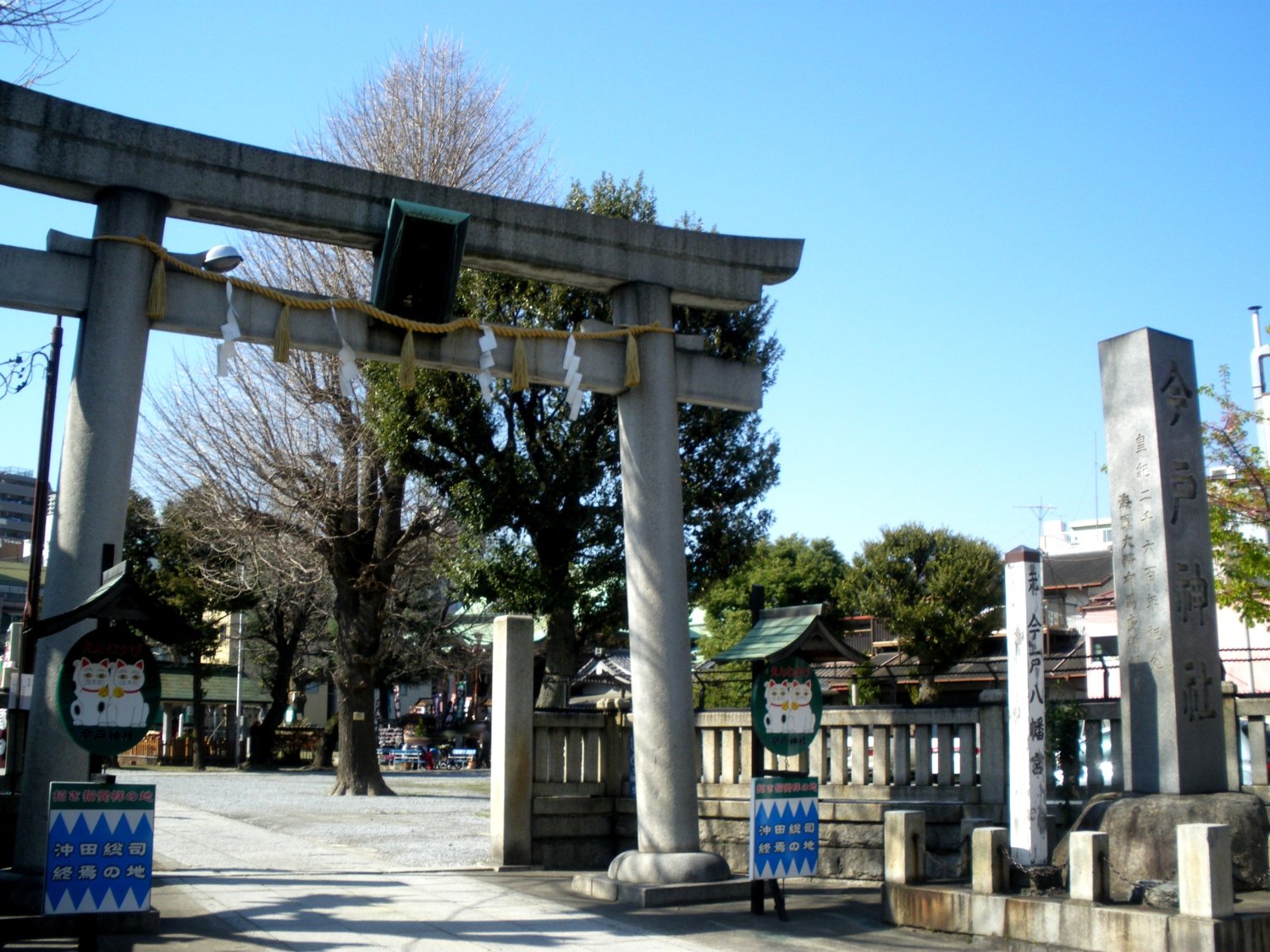
Goshuin here: pre-written slips only — the shrine states this in a standing notice on its own site, with a single exception for the Asakusa Seven Lucky Gods shikishi. ¥500, up from ¥300. A cut-paper maneki-neko version was added in November 2025. The office runs 9:00–16:00 daily, but the goshuin desk is reported to close much earlier on weekdays — possibly as early as 13:00, so come in the morning. The shrine’s own book is ¥1,500 and is not sold by post. Two practical warnings the shrine gives itself: no toilets and no parking. Its website is rarely updated; the official Instagram, opened in September 2025, is where limited editions get announced.
3. Hie Shrine
One of Tokyo’s most important shrines, tucked into central Nagatacho near the National Diet Building, with a distinctive escalator-assisted approach through a tunnel of torii gates. It’s a quieter, less tourist-heavy stop than Meiji Jingu or Senso-ji, and a reliable choice if you want a classic, dignified goshuin as your first stamp.
- Address: 2-10-5 Nagatacho, Chiyoda City, Tokyo
- Hours: April-September 5:00-18:00; October-March 6:00-17:00
- Goshuin fee: Approx. ¥500
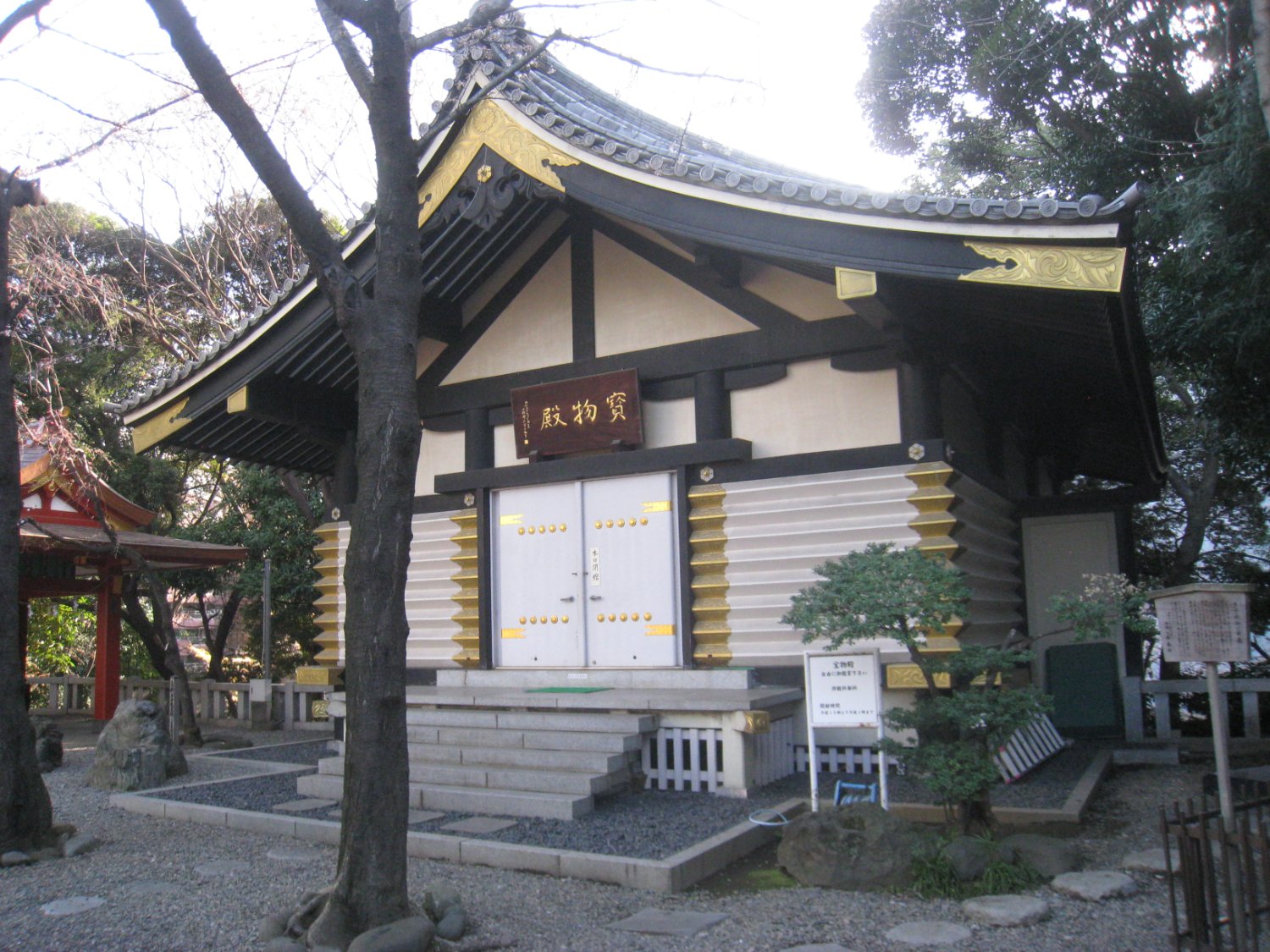
Goshuin here: Hie has a dedicated goshuin office (朱印所), separate from the amulet counter, open 8:00–16:00 — the earliest start of the four, and the reason to put it first in a day. It is also the one shrine here that clearly still writes directly into your book as well as issuing slips; at New Year it publishes different closing times for the two, which tells you both are running. Expect around ¥500. The shrine’s own goshuincho went to ¥2,000 on 1 January 2026. Seals for the subsidiary shrines in the grounds are only issued on particular days, so which ones you can get depends on when you come. One accessibility note: the escalator up the hill from the south entrance has been in and out of service for repairs through 2024–2026, and it is the step-free route — worth checking if that matters to you.
4. Hanazono Shrine
A working neighborhood shrine on the edge of Kabukicho and Golden Gai, popular with local business owners for success and prosperity blessings. The contrast between the quiet shrine grounds and Shinjuku’s neon just outside the torii makes it a memorable stop, and it hosts one of Tokyo’s largest Tori-no-Ichi festivals every November.
- Address: 5-17-3 Shinjuku, Shinjuku City, Tokyo
- Hours: Grounds open 24 hours; shrine office approx. 9:00-17:00
- Goshuin fee: Approx. ¥500
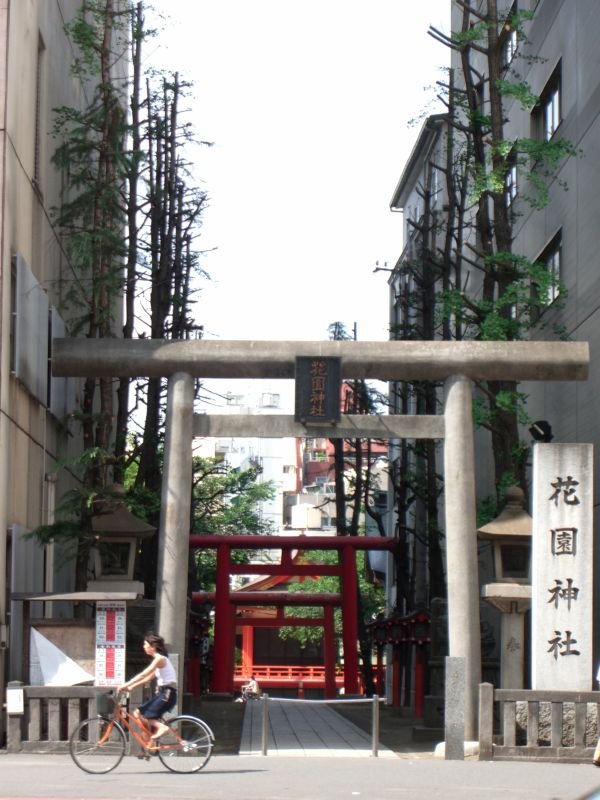
Goshuin here: ¥500, with a cut-paper version at ¥1,000 available year-round rather than only in season. Direct writing is reported to be available again, though the shrine does not confirm it on its own site — assume a slip and be pleased if it is otherwise. Be careful with the hours: the shrine office stays open late into the evening, but that is not the goshuin desk and there is no published cut-off for it. Do not arrive at seven expecting one. November is this shrine’s month — the Tori-no-Ichi fairs bring enormous crowds and their own limited goshuin, issued as slips to keep the queue moving.
It is not a stamp rally, and the shrines have said so
A goshuin is a sanpaisho — proof of worship. The visit is the thing; the paper is the receipt. A tourist stamp records that you were in a building. This is not a distinction anyone will lecture you about at the window, but it explains every piece of etiquette above.
Shrine authorities put it more bluntly than you might expect. Their published guidance says plainly: do not make the goshuin the purpose of the visit, and describes collecting them to resell as “a problem that comes before etiquette”, with buying them online “not what you would call sensible”.
Kanda Myojin, the first shrine below, has said this twice on its own account. In June 2024 it posted about resale of its amulets and goshuincho — a ¥2,500 collaboration book was listed for over ¥70,000 — and asked people to stop both selling and buying, because “it makes us sad”. In January 2026 it went further and banned auction listings of its charms outright, after a ¥1,000 amulet appeared at over ¥3,000, asking that people receive them at the shrine itself.
It can go further than that. Asakusa Shrine cancelled its Sanja Matsuri limited goshuin entirely in 2019, citing abuse and intimidation of the staff issuing them alongside online resale. Reported behaviour elsewhere has included tearing pages out of books to get at a special edition. Almost nobody reading this is the problem — but it is worth knowing why a shrine might have a sign up, or a limited edition that quietly no longer exists.
Doing all four in one day
It is possible, and the constraint is not distance — it is closing time. Three of the four shut their goshuin desk at 16:00, and the office hours posted on a shrine’s website are often longer than the goshuin desk’s. Do not plan around a 20:00 closing.
Hie opens earliest, at 8:00, and is also the one where you are most likely to get direct writing, which takes longer. Imado is the trap: its office runs to 16:00 but the goshuin desk is reported to close as early as 13:00 on weekdays, and the shrine is a 15-minute walk from Asakusa station rather than a step off the platform.
The geography helps in one place and fights you in another. Kanda Myojin to Hie is a single ride with no transfer — Suehirocho to Tameike-sanno on the Ginza Line, about fifteen minutes plus two short walks. Hie to Hanazono is one easy change onto the Marunouchi Line, and Shinjuku is a sensible place to finish. Imado is the outlier in the north-east, and fitting it in the middle means crossing the city twice.
The honest recommendation: do Hie, Kanda and Hanazono as one day, and pair Imado with a separate Asakusa morning. Imado sits on the Asakusa Seven Lucky Gods route anyway, so it belongs with Sensoji rather than with the other three. If you dislike queues, go on a weekday — Kanda runs twenty to thirty minute waits at weekends and on holidays.
Getting your bearings
These four are spread across central Tokyo rather than clustered in one neighborhood — Kanda Myojin pairs naturally with an Akihabara shopping day, and doubles as the best-known anime pilgrimage site (seichi junrei) in central Tokyo, Imado Shrine with an Asakusa or Sento & Sauna stop, and Hie Shrine and Hanazono Shrine both sit close to major train interchanges. Budget roughly 20–40 minutes per stop including the walk from the station and time to write in your goshuincho.
Planning to combine this with other stops? Our route and budget planner tool can help you work out an order and a rough budget.