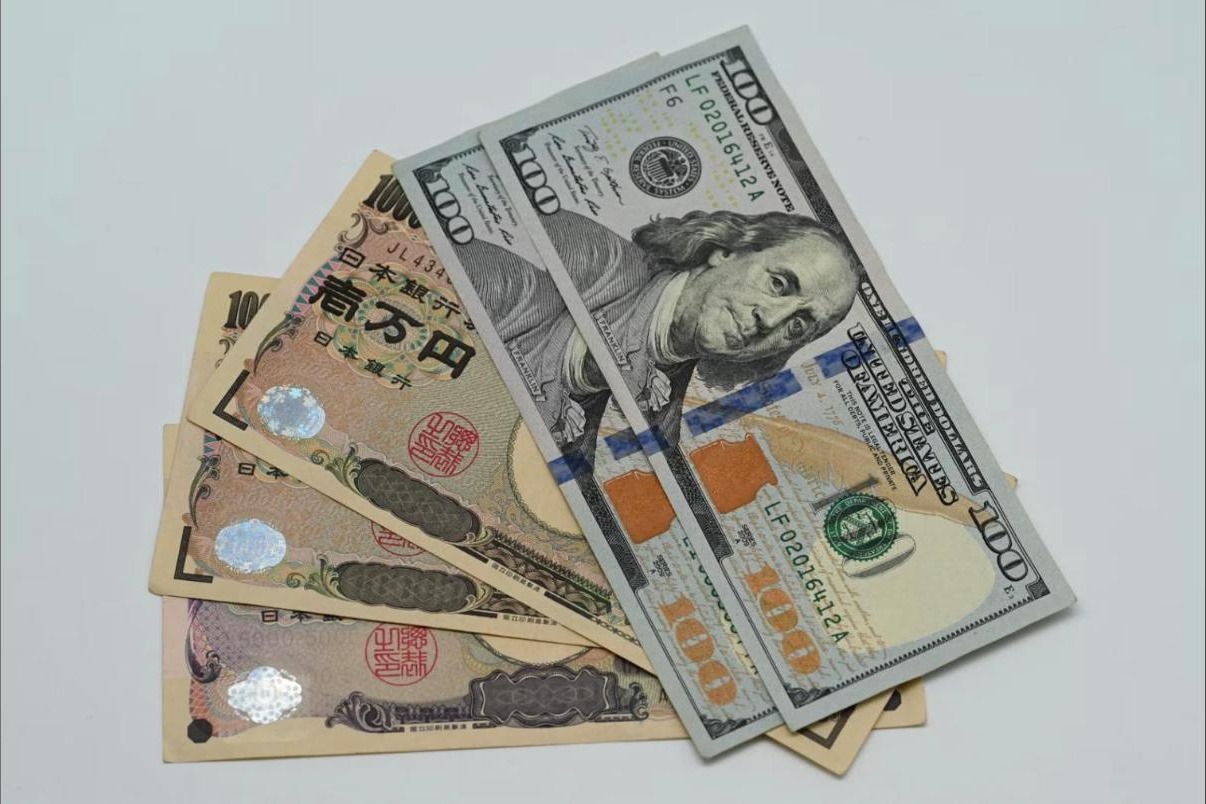
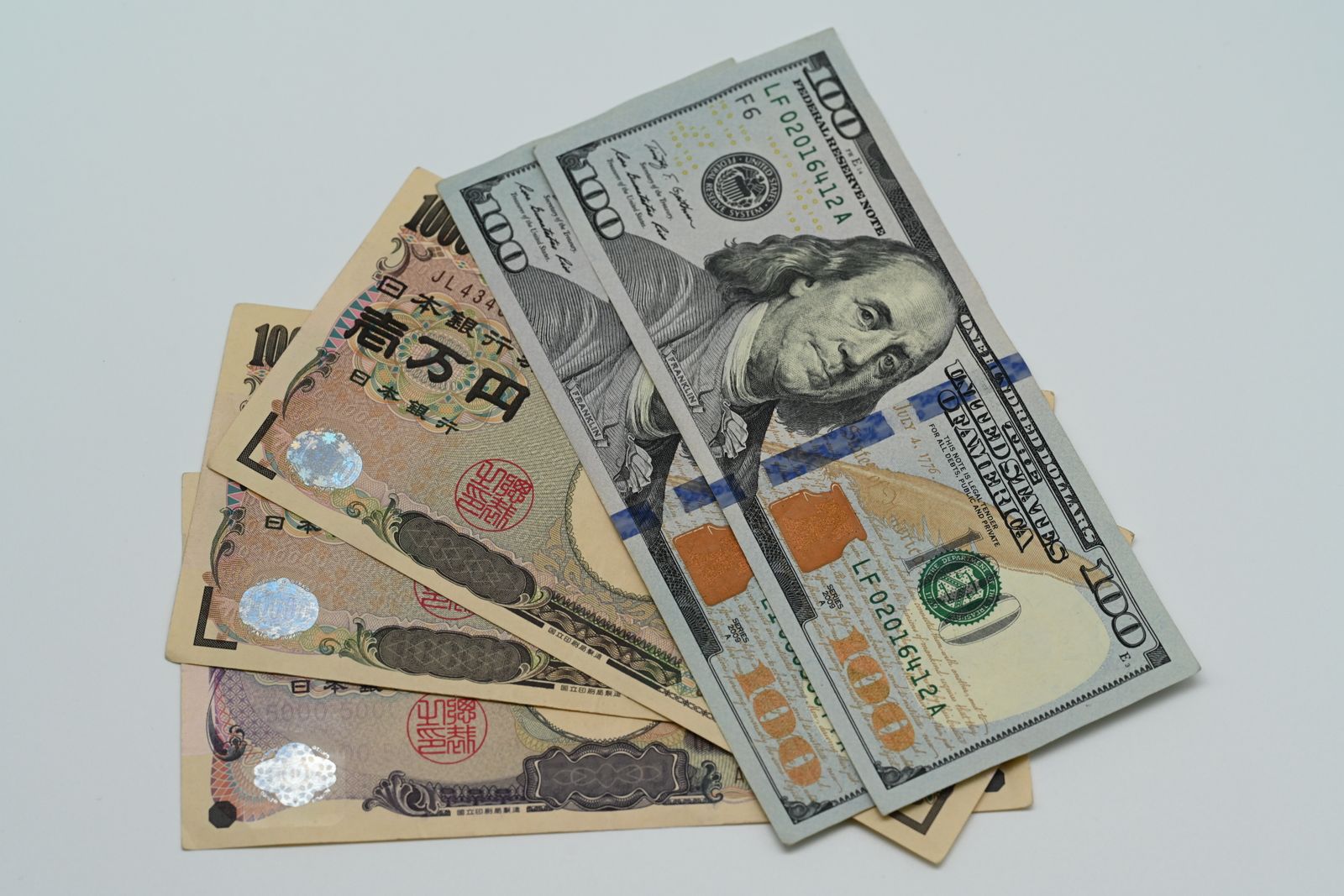
“How much should I budget for Japan?” is one of the hardest questions to answer honestly, because the range between a shoestring trip and a comfortable one is enormous — and the yen’s exchange rate has shifted a lot recently, which changes the math for anyone booking from abroad. Here’s a realistic breakdown of what things actually cost in 2026, from hotels and ramen to the new taxes you’ll want to plan for and, yes, how much room to leave in your suitcase budget for merch.
Information in this guide is accurate as of July 2026, including exchange rates and tax figures. Prices and rates can shift, so treat the numbers below as a planning guide rather than a guarantee.
How Much Does a Day in Japan Actually Cost?
Most day-to-day cost estimates fall into three tiers. Budget travelers (hostels, convenience-store meals, mostly walking or IC card transit) land around ¥12,000-18,000 per day. Mid-range travelers (business hotels, a mix of casual restaurants and the occasional splurge) run ¥25,000-40,000 per day. Comfortable or luxury trips (nicer hotels, taxis, omakase dinners) start around ¥60,000 per day and climb from there.
Those numbers exclude flights and big one-off purchases like a JR Pass or a haul of figures. Exchange rates matter more than usual right now, too — the yen has been sitting in weaker territory against the dollar, which stretches a foreign travel budget further than it did a couple of years ago, but also means you should check the current rate close to your trip rather than relying on old numbers.
Where Your Money Goes: Hotels, Food & Transport
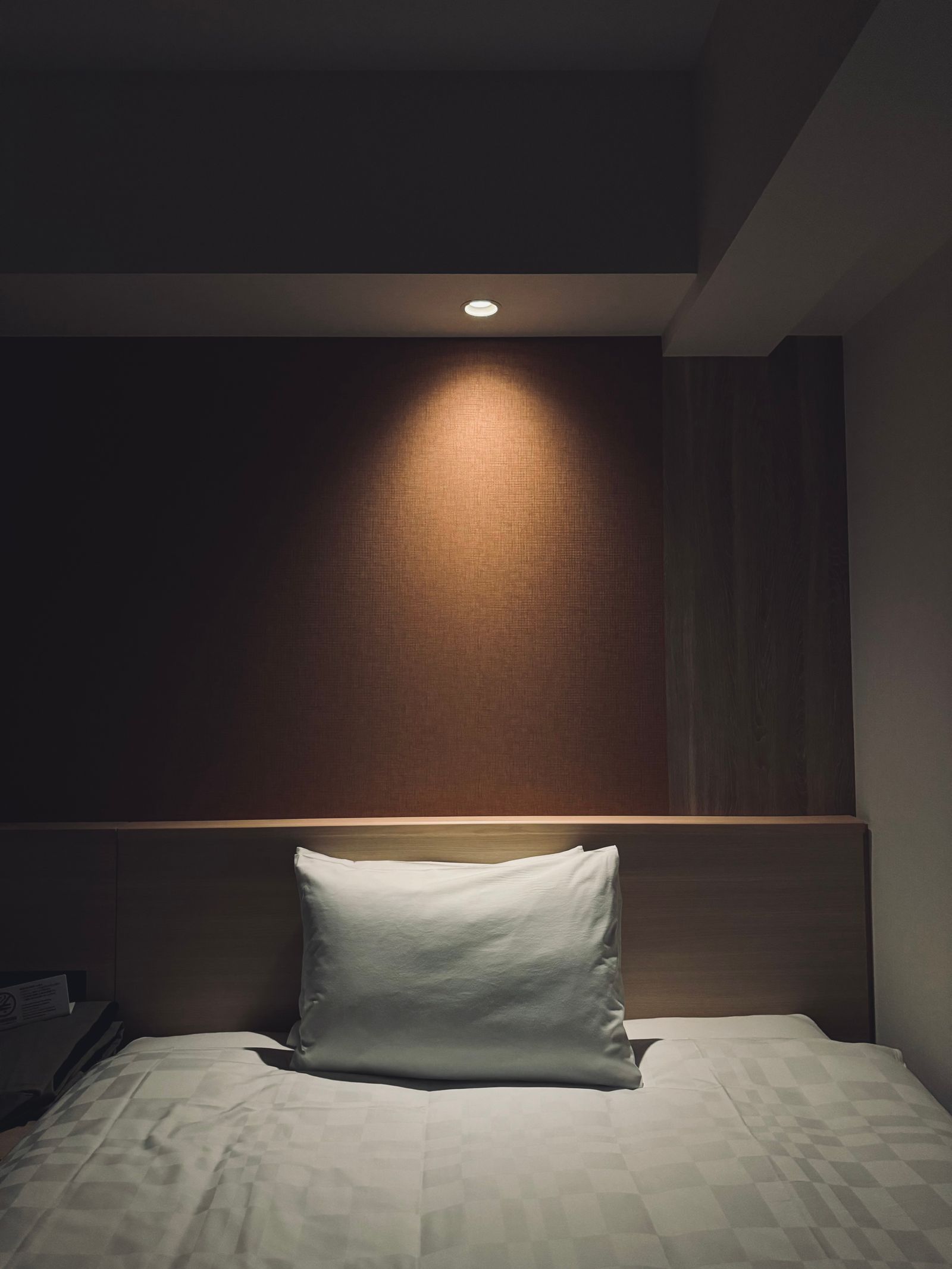
Accommodation is where budgets diverge the most. Hostel dorms and capsule hotels run ¥3,000-5,000 a night, business hotels (clean, small, reliable — think APA or Toyoko Inn) are ¥6,000-12,000, and a mid-range hotel in Tokyo now averages closer to ¥25,000 a night than the ¥15,000 it used to be a few years back. Booking.com is worth checking early since availability in Tokyo and Kyoto during peak seasons (spring, autumn, and any major event weekend) disappears fast.
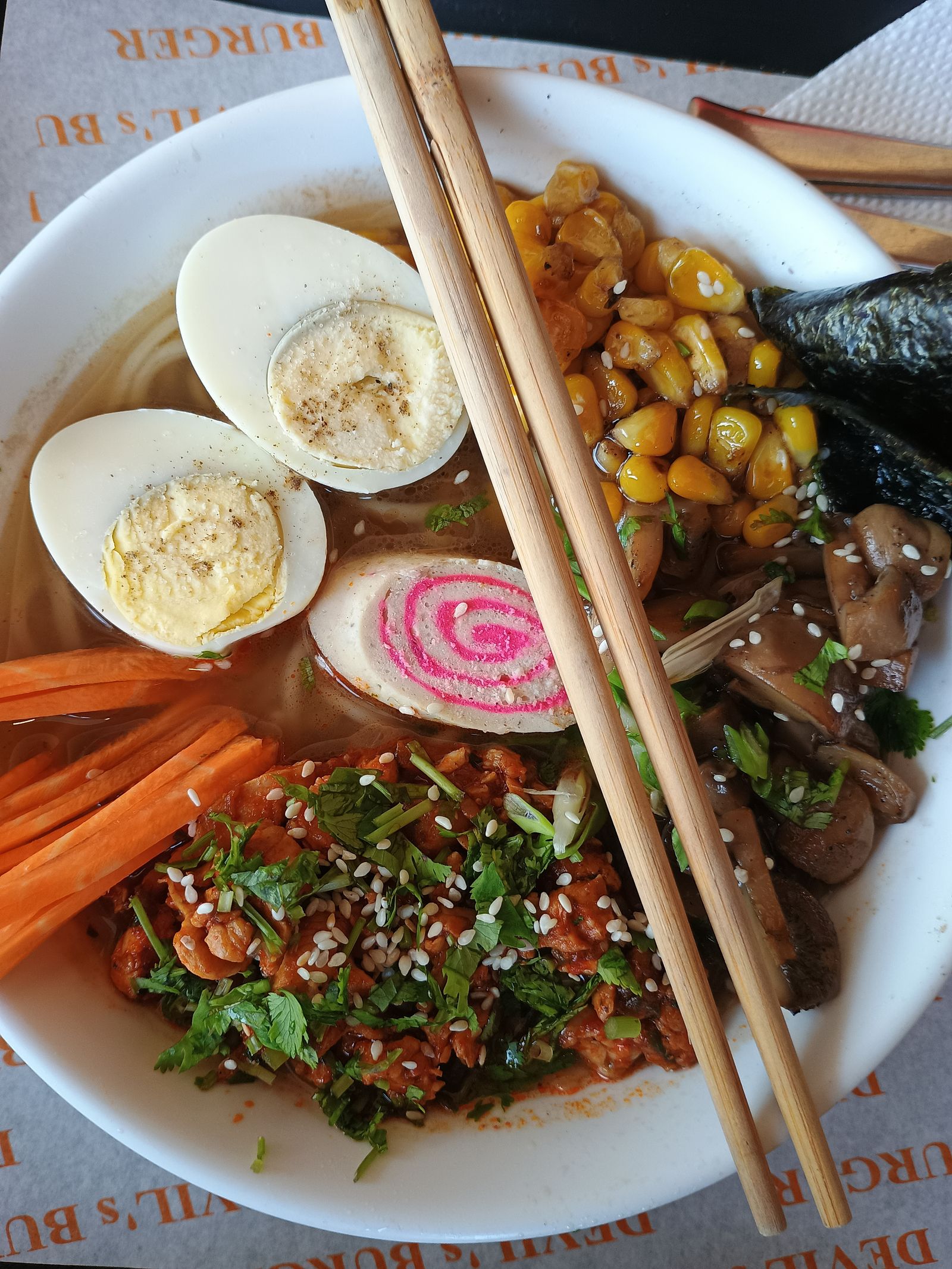
Food is the good news category. Convenience store meals run ¥400-700, a solid bowl of ramen is ¥600-1,200, and conveyor-belt sushi lands around ¥1,000-2,500 for a real meal. Budget travelers can eat well on $30-40 a day; mid-range travelers eating out more often should plan for $65-80.
For transport, day-to-day city travel runs on IC cards (Suica, Pasmo, ICOCA), and tourist versions are available at major airports with no deposit. If you’re doing several long-distance Shinkansen legs, do the math on a Japan Rail Pass — it’s ¥50,000 for 7 days, so it only pays off if your planned bullet-train tickets already add up to more than that.
What a bowl of ramen actually costs now
If you want one number to calibrate against, Japan’s official retail price survey put the national average for a bowl of ramen at ¥729 in January 2026. A decade ago it sat in the ¥500s to low ¥600s. Tourist-heavy cities run higher — Naha and Hachioji were both around ¥830 — and central Tokyo is comfortably above the national figure.
There is a well-known ceiling in the industry called the “¥1,000 wall”: shops resist crossing it because custom drops off when they do. That is useful to you as a signal rather than a warning. A bowl priced over ¥1,000 is usually a shop that has deliberately gone premium, not a shop charging tourists more.
Buy an ordinary Suica, not a Welcome Suica
Most English guides still say ordinary Suica and PASMO cards cannot be bought because of the chip shortage. That stopped being true on 1 March 2025, when unregistered cards went back on sale.
The difference is real money. An ordinary Suica costs a ¥500 deposit that you get back, and it stays valid for years. A Welcome Suica has no deposit but is valid for 28 days and is not refundable — whatever balance is on it when it expires is simply gone. If you are the sort of traveller who tops up in ¥3,000 chunks and stops thinking about it, the tourist card quietly costs you money. Take it only if you are confident you will run the balance down to near zero before you fly.
New Costs to Budget For in 2026
Japan raised its international tourist tax (a departure fee added to your outbound flight) from ¥1,000 to ¥3,000 starting July 1, 2026, as part of a broader push to fund overtourism measures. It’s collected automatically as part of your ticket, so there’s no separate line to pay at the airport — just budget for it as part of the total flight cost.
On top of that, a growing number of destinations are experimenting with tiered or dual pricing — Kyoto’s accommodation tax now scales with your hotel rate, and some major attractions (Himeji Castle among them) charge international visitors a different admission price than residents. None of this is going to break a trip budget on its own, but it adds up if you’re visiting several cities, so it’s worth padding your estimate a little compared to what older blog posts and guidebooks quote.
The Japan Rail Pass goes up on 1 October 2026 — but not everywhere
From 1 October 2026 the nationwide pass rises: the 7-day ordinary pass from ¥50,000 to ¥53,000, the 14-day from ¥80,000 to ¥84,000, the 21-day from ¥100,000 to ¥105,000. Green Car versions go from ¥70,000 to ¥74,000, ¥110,000 to ¥116,000 and ¥140,000 to ¥147,000.
The detail almost nobody mentions: the rise applies to overseas sales agents. JR’s own online reservation service is holding the current prices for the time being, with an end date to be announced later. So if you are buying around the changeover, buy direct rather than through an agent or reseller, and check both prices before you commit. It does not change the underlying arithmetic — a pass is still only worth it if your planned bullet-train legs already exceed it — but it moves the break-even point up by ¥3,000.
Lodging tax now depends a lot on which city
Kyoto restructured its lodging tax on 1 March 2026 into bands topping out at ¥10,000 per person per night. Cheap rooms barely moved; a ¥100,000 room went from ¥1,000 of tax to ¥10,000. If Kyoto is on your itinerary and you are not staying budget, that is now a line item rather than a rounding error.
Tokyo is still on the old flat amounts through 2026 — ¥100 a night for rooms from ¥10,000 to under ¥15,000, ¥200 from ¥15,000 up — but from 1 April 2027 it becomes a flat 3%, with rooms under ¥13,000 exempt. Osaka revised its own scale in September 2025: ¥200 for ¥5,000 to under ¥15,000, ¥400 to under ¥20,000, ¥500 above that, and nothing below ¥5,000.
The exchange rate is doing more work than your budget is
On 20 August 2026 the dollar bought about ¥158.7, roughly 7% more yen than a year earlier. Concretely: a ¥15,000 figure that cost about $101 last summer costs about $95 now, and across a trip the gap compounds — a ¥300,000 fortnight is around $1,890 today against about $2,020 at last year’s rate.
Two consequences. Any dollar budget taken from a guide more than a year old is wrong in your favour, which is a pleasant direction to be wrong in but still worth recalculating. And the rate you personally get is not the rate you see quoted — how you pay decides how much of that spread you keep, which we compared in our guide to getting yen in Japan.
Merch & Shopping Budget: The Otaku Tax
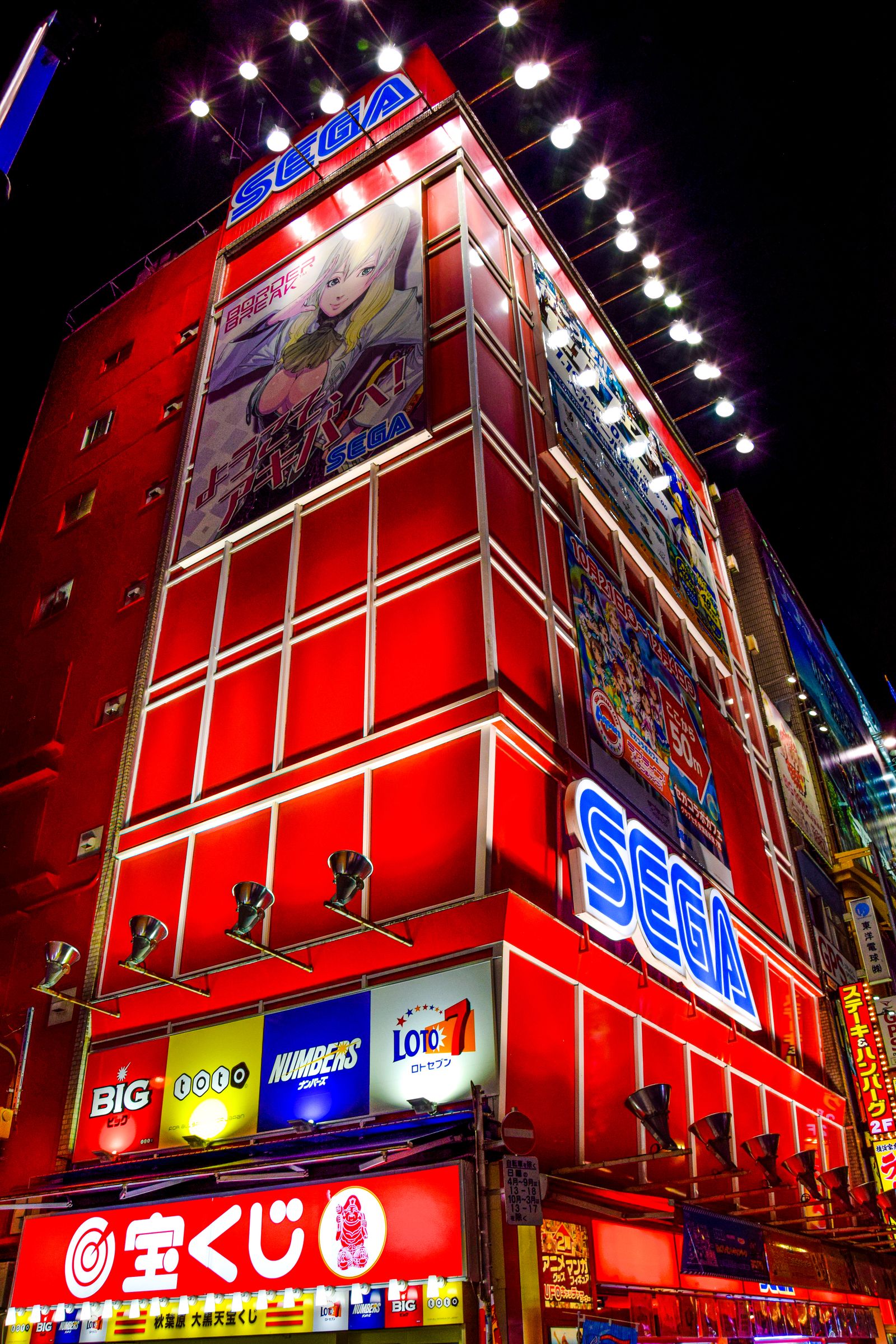
For a lot of anime fans, merch ends up being the single biggest line item after flights and hotels — and it’s the easiest one to blow past your estimate on, because gacha and blind boxes are engineered to be one more pull. Gacha capsules run ¥200-500 a pull, and figures range from a few thousand yen for smaller scale releases up to ¥15,000+ for larger or limited pieces. Comparison-shop before you commit; the same figure can vary by ¥1,000 or more between stores a few blocks apart in Akihabara, and again between Akihabara and Nakano Broadway, where the second-hand floors price independently of each other. The same is true of hardware: a boxed console in Akihabara’s retro game shops can swing by several thousand yen depending on which floor of which building you walk into.
Two things to keep in your back pocket for the budget math: tax-free shopping starts at ¥5,000 per shop per day and you need your passport for it — but from 1 November 2026 it stops being a discount at the till and becomes a refund you claim on the way out of the country, so you need the full tax-inclusive amount in hand while you are here. There is a second catch that ruins a lot of shopping plans: you cannot claim it on anything you post home, and the customs check has to happen before you check your bags in. Our guide to the November 2026 changes has the detail. And if you spot something after you’ve already left Japan, or a store doesn’t ship internationally, proxy shopping services like Buyee and CDJapan will buy it on your behalf and forward it to you — expect roughly ¥300-1,000 in service fees per item on top of international shipping, so it’s best saved for things you couldn’t get any other way.
Quick Money-Saving Tips
- Book accommodation early for peak seasons (spring, autumn, event weekends) before prices climb
- Eat convenience-store and standing-counter meals for at least a few meals to stretch your food budget
- Do the math before buying a JR Pass — it’s only worth it if your Shinkansen legs already add up to more
- Carry your passport for tax-free shopping — it’s a free 10% off on qualifying purchases
- Set a separate merch budget before you fly so gacha pulls don’t quietly eat your food money
- From 1 November 2026, budget the tax-inclusive price — tax-free becomes a refund you claim on departure, not a discount at the till
- Buy the JR Pass direct online rather than through an agent, especially around the 1 October 2026 price rise
- Take an ordinary Suica (¥500 refundable deposit) over a Welcome Suica (28 days, no refund) unless you will spend the balance down
There’s no single “right” number for a Japan trip — it really does come down to how you like to travel. But going in with real figures instead of a five-year-old blog post’s numbers means fewer surprises and more room in the budget for the stuff you’re actually there for.
Heads up: Oshi Trip Japan takes part in affiliate programs, so some links on this site may earn us a small commission at no extra cost to you. Full details on our Affiliate Disclosure page.

Comments